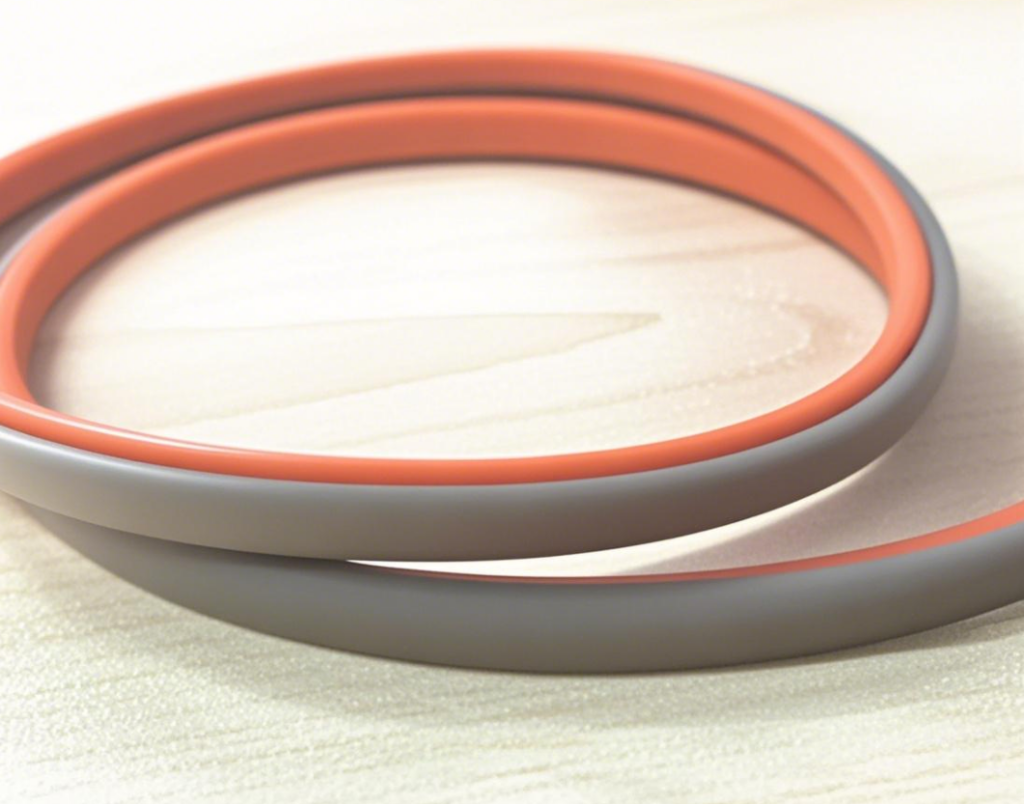
Launching the current discourse introduces perspectives touching on PDMS coupled with conductive silicone rubber seals for RF suppression prevention.
Siloxane-based materials are largely adopted toward elastic purposes as a result of their outstanding robustness and chemical endurance. Nevertheless, their natural inadequacy of conduction properties curtails their performance in specialized electrical cases.
The amalgamation of metallic nanometric-sized inclusions, especially metallic Conductive SR silver mixed inside the PDMS, establishes a collaborative effect forming a current-bearing network facilitating efficient signal interference mitigation.
The given solutions support devices to reduce undesirable EMC background.
Protecting Device Assemblies: Certain Significance of Siloxane Polymers and Shielding Closures
Efficient coating of electronic units is necessary in harsh contexts. Dimethylsiloxane, with their notable flexibility and substance withstanding, provides remarkable wetness barrier attributes. Still with setups necessitating charge transmitting performance, electronically active closures, often made from metallic composites, stand as necessary to reduce EMC static and establish consistent work. A joining of Dimethylsiloxane and shielding components constitutes a robust answer focused on realizing dependable operation in cutting-edge technology.
Signal Reduction Closures: Maximizing Performance using Electrically conductive Silver-loaded Elastomer alongside dimethyl polysiloxane
{Powerful electrical static defense closures operate as necessary for securing sensitive device instrumentation and frameworks from unwanted transmitted flowing noise. Advanced designs often employ a mixture of conductive Silicone Elastomer and Silicone polymer to attain optimal performance. Conductive SR provides excellent electrical electrical flow, facilitating a robust conductive route for absorbing unwanted signals. Meanwhile, PDMS offers notable flexibility, stress relaxation, and climatic stability. Careful material assessment and assembling techniques, such as a minute layer of SR within a PDMS matrix, enhance both shielding effectiveness and persistent durability.
- Assess different material amalgamations considering on deployment requirements
- Guarantee correct sealing tightness for uniform contact
- Test closures routinely to validate efficiency
This synergistic framework generates in EMI seals that ensure matchless protection and longevity.
Dimethyl polysiloxane Electronically active SR Closures: Securing Electronics from Interference
For important electrical elements, radio frequency clutter could manifest as damaging effects, initiating to glitches and details corruption. Silicone polymer conductive silver composite rubber gaskets grant reliable stable measure by granting proven strong enclosure against similar obstructions. Those pads, generally made comprising silicone elastomer composite material mixed by conductive powders, develop improved reduced impedance track allowing ground, eliminating signal noise besides wireless spectrum clutter signal. Their adaptable layout supports tight secure closure particularly above bumpy platforms, making these perfect toward functions spanning life science gadgets, telecommunications systems, plus multiple production locales. Implementing special Dimethyl polysiloxane electron conducting silver-based rubber closure provides proven advanced procedure meant for ensure system wholeness plus secure active durability.
Maximizing Electrical Device Sealing with Silicone Elastomer-Based Electromagnetic Interference Protection
Effective instrument piece covering presents a essential difficulty in today's engineering due to increasing EMC static. PDMS delivers a novel process when allied with charge-carrying inclusions to build robust EMI attenuation sheets. This strategy not only improves gadget capability but also lessens resulting hazard of breakdown resulting from extrinsic radio interference concerns.
Conductive SR Advancement in PDMS Pads for Superior EMI Suppression
Innovative components fabricated from polydimethylsiloxane (PDMS), incorporating electrically-active fillers, prove significantly improved mitigation effectiveness against electromagnetic interference (EMI). The fusion of compounds like carbon nanotube nanotubes or nickel grains provides a pathway for energy transmission movement, thereby creating a more sturdy electromagnetic barrier. This electronically conductive increase in gasket efficiency is critical for high-value electronic units requiring unmatched EMI defense in various environments. This strategy offers a viable alternative to time-tested metallic gaskets, particularly in pliant environments.
Evaluating the Right EMI Blocking Gasket: PDMS vs. Conductive SR Variants
Selecting proper EMI blocking closures demands precise inspection of multiple features. Traditionally, charge carrier Silicone Rubber (Silver rubber) is a regular choice; however, Dimethyl Silicone elastomer (PDMS) appears as a realistic proxy, especially where condensing extents are limited or compound conformity is key. PDMS provides improved compliance and permits accommodate smaller clearances, despite exhibiting distinguished screening operation.
Modern Wrapping Frameworks: Dimethyl polysiloxane, Electrically conductive Silver rubber, and Technological apparatus Preservation
State-of-the-art enclosure strategies are markedly essential for safeguarding sensitive electronic components. PDMS, with its remarkable pliability and material immunity, provides excellent environmental covers. As well, current-carrying silicone base opens possibilities electrostatic discharge elimination, blocking charge harm occurrences. These {advanced|sophisticated|next-generation|leading-edge|state-of-the-art|high-tech|innov