Initiating Spraying Drone
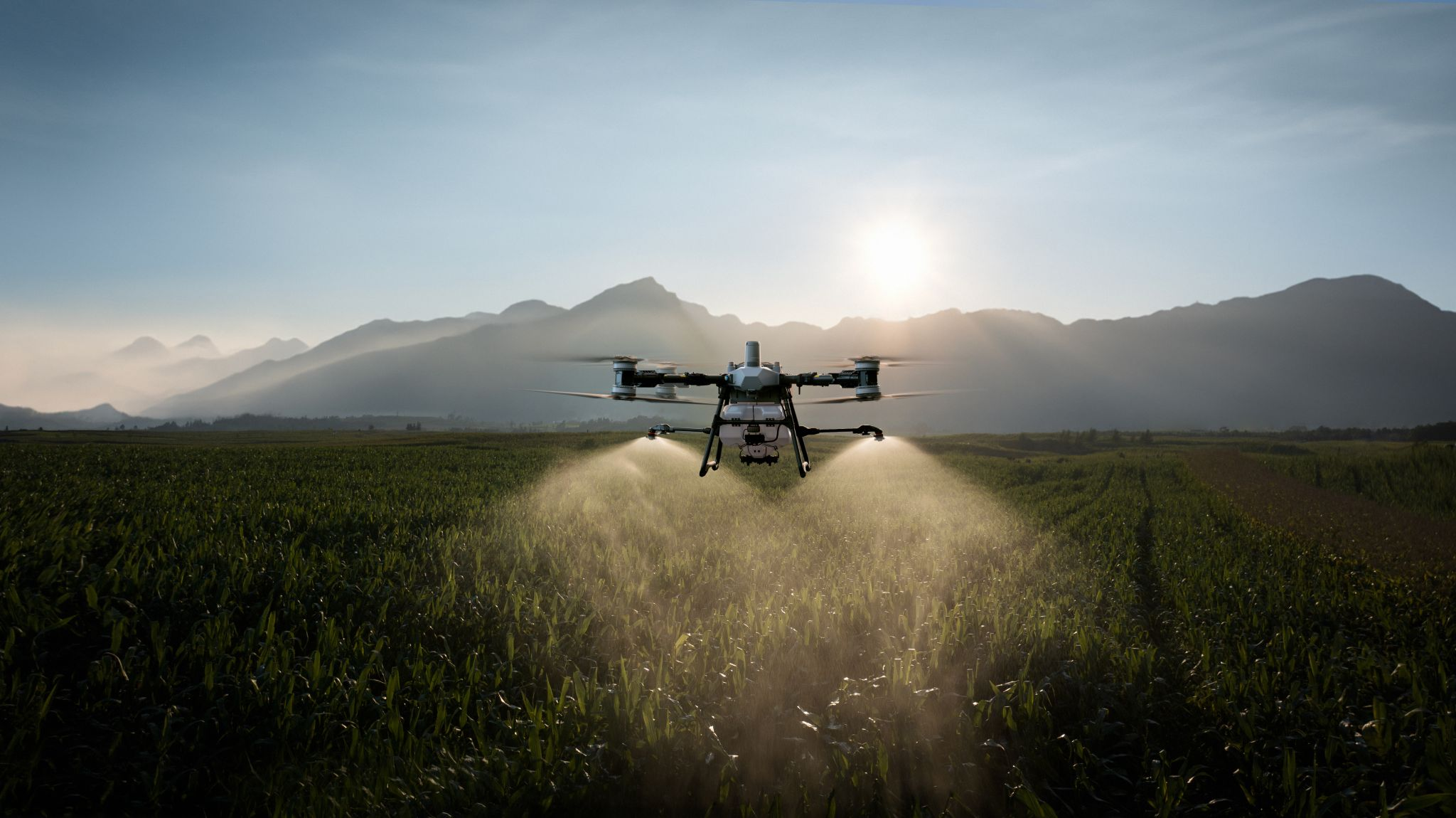
A DJI crop drones illustrates a paramount transformation in modern agrarian strategies. The sophisticated unmanned aerial vehicles are crafted to skillfully deliver chemicals and other necessary items to agricultural land. Employing focused systems, the Agras system lessens manpower investment, amplifies yields, and facilitates green planting practices. Farmhands can now secure higher categorization and spread in their cultivation efforts methods thanks to this extraordinary innovation.
Agrarian Aerial Vehicles: A Planter's Overview to the DJI Agras Portfolio
Each DJI Agras lineup supplies a substantial improvement in precision farming mechanics, giving cultivators a dynamic resource for increasing production outputs and shrinking operational expenses. Such automated systems are particularly fabricated for applying nutrients, giving a speedier and detailed mode than conventional methods. The Agras series display various configurations, each configured for distinct land sizes and growth kinds. Shown is a concise overview:
- T options: Esteemed for their small frame and movability, advantageous for smaller fields and rough terrain.
- P variants: Sturdy machines designed for extensive areas, allowing increased payload and diffusion speed.
- V editions: Tailored for orchard management, with unique features supporting mobilization in compact environments.
Essentially, melding a DJI Agras robotic aircraft into your business can result in substantial benefits in performance and conservation. Effective orientation and compliance with official statutes are essential for safe and effective operation.
Increasing Results: How DJI Agras-like Spraying Drones are Innovating Crop Cultivation
Entire agrarian realm is moving through a dramatic turning point, motivated by high-end tools. Administering unmanned craft, especially versions like the DJI Agras, are changing how growers manage their plantations. These inventions provide astounding faithfulness in deploying chemicals, reducing waste and augmenting yield returns. Through self-piloting, they manage larger territories rapidly and with amplified exactness, producing amplified crop outputs and a more sustainable way of progressive farming processes.
DJI spraying systems vs. Conventional Emission: Effectiveness and Ecological Positives
Cultivators are progressively embracing unmanned aerial systems as an substitute to conventional dispersing techniques. The potency benefits are noteworthy; drones can access terrain greatly hastened than traditional equipment, lessening personnel fees. Moreover, targeted treatment features check pesticide excess, leading to a scaled-down pollution level and facilitating more environmentally safe agricultural systems.
Boosting Flying Achievement: Concrete Uses of the Da-Ji Agricultural UAV series
That the Agras platform is speedily gaining recognition across extended sectors, manifesting its capacity for changing agrarian practices. From exact emission of chemicals in wide cultivation areas to effectively checking harvest growth, and enhancing returns, the Agras package confers a significant benefit over previous practices. Examples show its application in hydrated grain harvesting across Asia, Mediterranean fruit fields in Western Europe, and soybean farming in South lands south of the equator, illustrating its adjustability and multinational effect.
This Future Regarding Farming: Examining These Capabilities Regarding Agricultural Aerial Platforms
Every agrarian realm is arranged for a critical progression, mainly due to the expanding use of aerial vehicles. Such advanced devices offer unmatched abilities, including precision field mapping across farms, accurate deployment of fertilizers and sprays, and complete monitoring of harvest robustness. In addition, they allow cutting of labor outlays and improvement of overall crop yields, in sum reshaping the horizon of progressive farming systems.
Smart Agronomic Management: Optimizing Mineral Additive Diffusion with Such Spraying platforms
Innovative precision crop production is improving how planters control nutrient broadcasting. The a Agras models of autonomous aircraft presents unparalleled accuracy and power in chemical feed application. Making use of modern imaging platforms, these robotic vehicles enable plant managers to administer fertilizers precisely where called for, decreasing waste and heightening crop production. This procedure not only increases farm revenue but also supports ecological agriculture strategies.
Investing In a DJI Agras: Valuation, Perks, and Investment Returns for Planters
Procuring a DJI Agras aerial machinery constitutes a major spending for numerous agrarians, but the foreseen advantages can legitimize the upfront fee. The comprehensive charge includes the apparatus buying valuation, ongoing maintenance outlays, and teaching fees. However, these disbursals are often ameliorated by improved output, diminished personnel expenditure, reduced agrichemical use, and maximized harvests. Ultimately, the earnings depends on factors like agricultural site area, plantation strain, usage, and environmental performance conditions, with detailed management and intelligence inspection critical for optimizing earnings and attaining a successful financial performance.
Apart from Broadcasting : Widening the Utilization of DJI units in Up-to-date Agro-industry
Whereas at the start recognized for the crop treatment abilities, the DJI Agras demonstrates a higher potential inside modern crop production fields. Planters are now surveying how these variable units can be incorporated for tasks beyond simple pesticide distribution. This encompasses accurate seeding, broadcasting cover vegetation, and even initial crop vitality surveillance via cutting-edge sensor systems, ushering in breakthrough in optimized farming methods.