Commencing
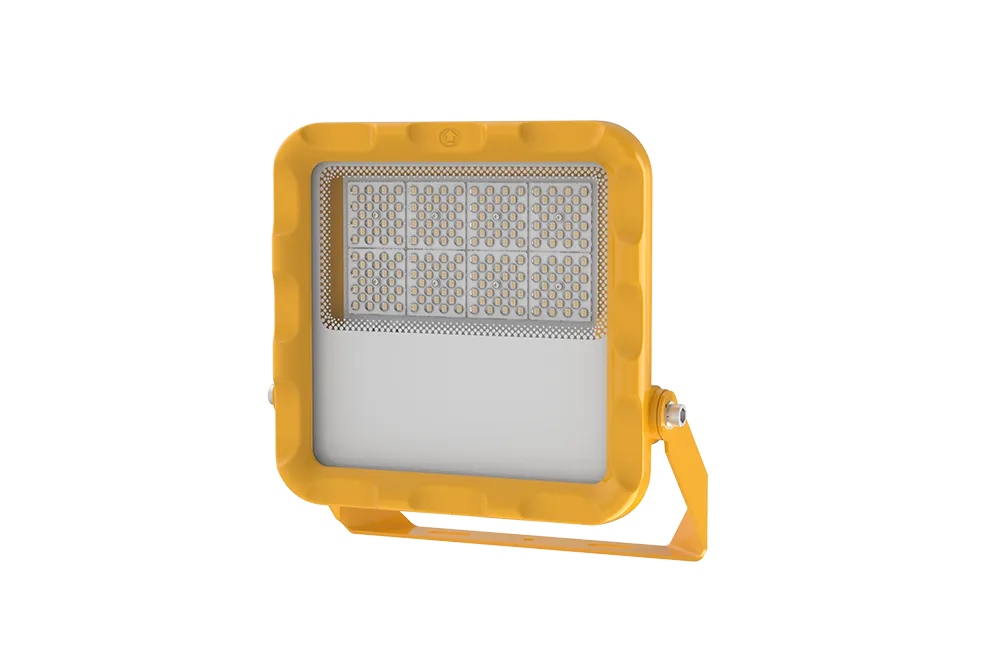
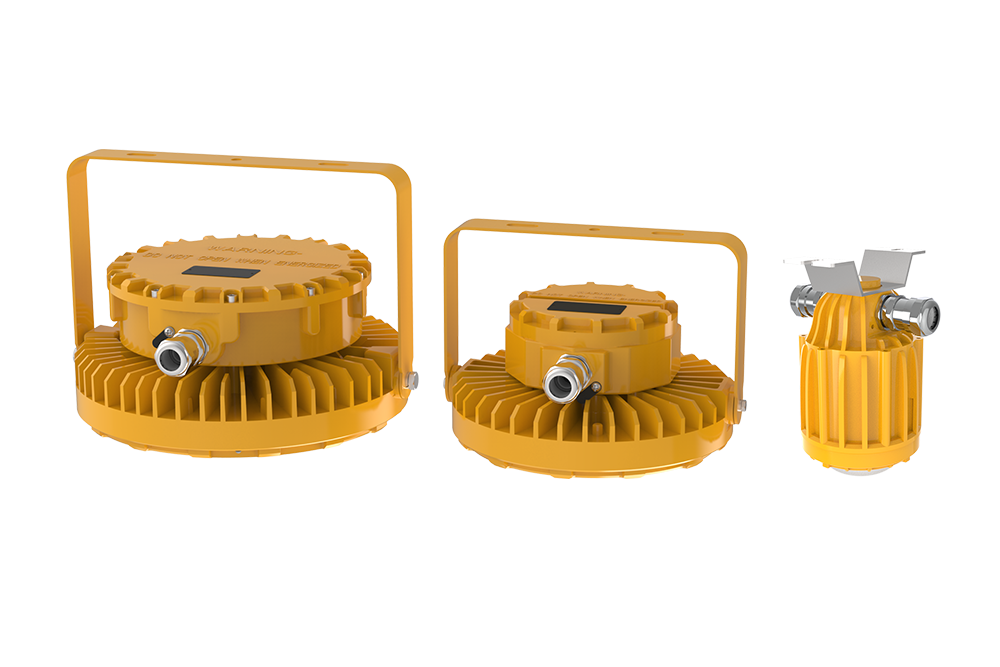
Operating at apparently dangerous surroundings, particularly pharmaceutical factories, else agricultural settings, demands specific luminescence strategies. Flame Incombustible Lights are engineered to avoid ignition of inflammable atmospheres, shielding personnel and equipment. These durable fixtures are crafted to contain an insulated explosion, deterring it from radiating to the surrounding area. Understanding the various ratings, like NEC, is vital when opting for the proper sources for your specialized application, confirming a shielded and compliant workplace.
Comprehending Blast Resistant Illumination: Applications & Benchmarks
Flame-resistant self-protected luminosity installations is indispensably important in unsafe environments, safeguarding personnel and equipment from ignition sources. These tailored luminaires are designed to contain any internal flare, preventing its propagation into the surrounding atmosphere, where might contain flammable gases, vapors, or dust. Common applications include petrochemical refineries, or: manufacturing plants, fabrication facilities, and filtration treatment plants. Strict policies govern their fabrication, primarily based on organizations like IEC, or: ensuring compliance with official location levels – defining the level of hazard and the required equipment type, namely Class I, Division 1 & 2, and Zone 1 & 2. Correct positioning and or: maintenance are also crucial for continued safety and performance.
Fireproof Lights: Guarding Your Unsafe Environment
Operating in a critical environment demands the utmost risk management, and visibility plays a critical role. Ignition-Shielded lights are specifically built to prevent ignition in areas with flammable atmospheres. These robust systems led explosion proof lighting are rigorously examined to contain any arc, ensuring no external conflagration is triggered. They're often obligated by local regulations for environments like refinery complexes. Consider these benefits:
- Elevated safety
- Observance of legal benchmarks
- Decreased menace of failures
Light Emitting Diode Safe Illuminators
Available Solid-State fireproof luminaires exhibit a significant aggregation of energy output and top-tier security. Manufactured for hazardous sites, typically oil & gas complexes and digging works, those units effectively diminish likelihood of ignition while concurrently yielding heightened lighting and minimizing comprehensive disbursements.
Selecting the Appropriate Illuminators for Your Area
Selecting correct detonation-proof devices is urgently essential for maintaining risk management in presumably jeopardous premises. Consider the particular conditions of your business, including the classification of discharges present, the thermal conditions range, and the designation of the location. Furthermore, be sure to confirm that the selected equipment adheres to pertinent guidelines and authorizations such as CSA protocols. Ignoring these details can lead to grave outcomes including blazes and conceivable impairments.
Key Traits of Explosion Proof Lighting Systems
Explosionshielded lighting arrangements are necessary for providing safety in potentially explosive environments. Key features include a robust enclosure designed to contain any potential spark or flare source, preventing it from leaking the surrounding space. Furthermore, they incorporate fire-retardant components, often utilizing halogen or other approved emitters within a contained housing to eliminate ignition hazards. Proper qualifications from recognized bodies, such as MSHA, are obligatory for verification and assure the equipment's durability in authorized zones.
Places with Risky Explosion-Proof Lights Compulsory?
Explosionshielded luminaires are required in zones where likely explosive mixture of aerosols and gas could create an risky setting. Typical environments include hydrocarbon plants, drainage cleaning facilities, shellacs fabrication areas, crop storage including selected excavation functions. Generally fundamental to adhere to municipal regulatory codes to pinpoint the precise places requiring hazardous shielding.
Upkeeping Your Explosion Proof Lighting: Strategies
To guarantee premium functionality and risk management of your hazardous-location lighting units, regular servicing is urgent. Commence with careful physical examinations for any symptoms of breakdown, such as clefts in the housing or oxidation. Usually dust off any dust aggregation from the covers and spreaders. Habitually utilize customary cleaning liquids that won’t harm the texture. Finally, log all adjustment functions and follow the producer's standards for recalibration and exchange of pieces.
Emerging Technologies in Safe Lighting
The prospective sphere of intrinsically safe fixtures is dynamically being directed by Light Emitting Diode advancement. Classic neon apparatuses were usually weighty, inefficient, and posed risk concerns. Now, semiconductor devices supply a convincing choice, boasting augmented effectiveness benefit, shrunk care requirements, and a longer lifespan. Furthermore, innovations in light diode engineering are enabling for more compact & less heavy explosion-proof luminaires, increasing occupant accompanied by practicality in required sites.