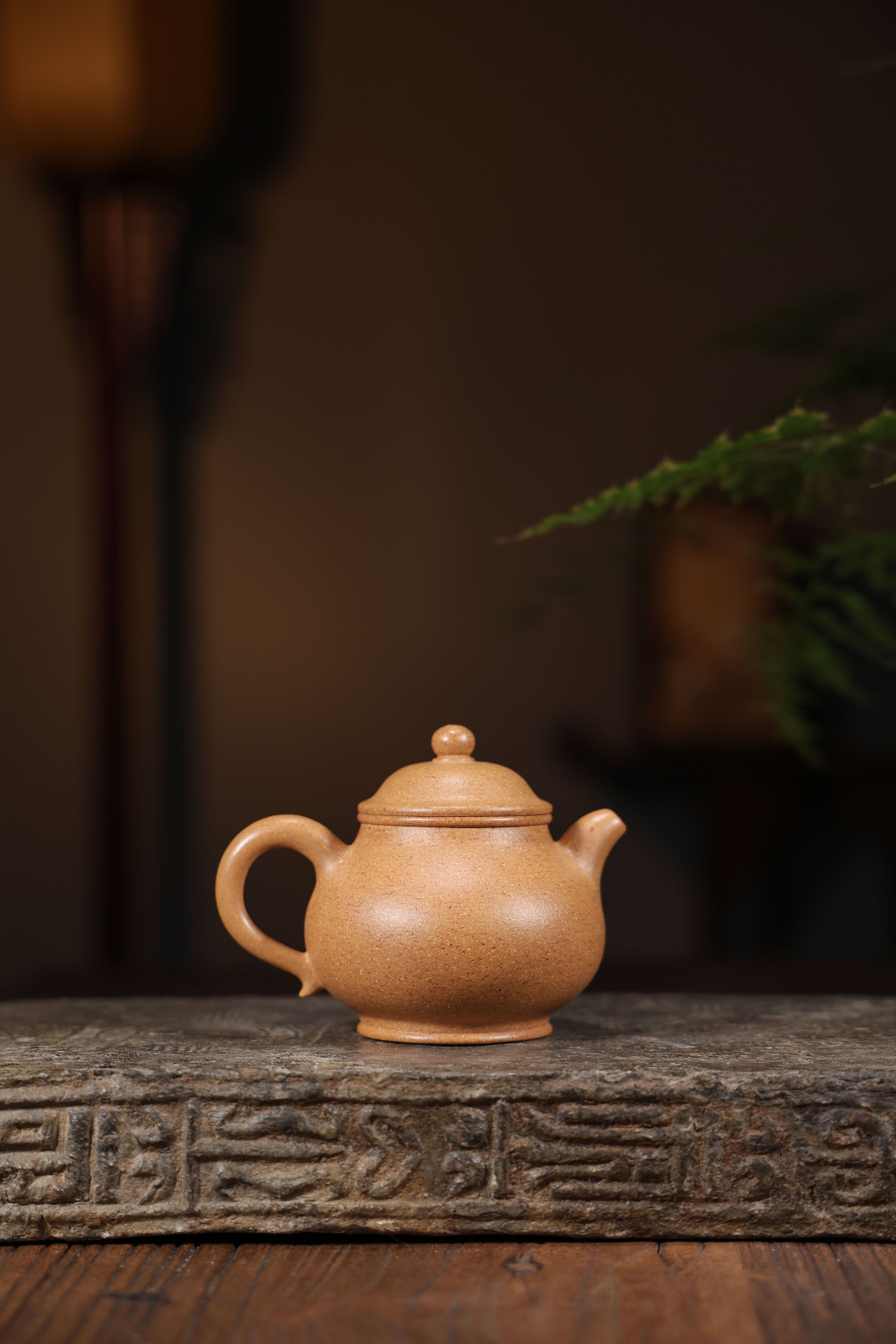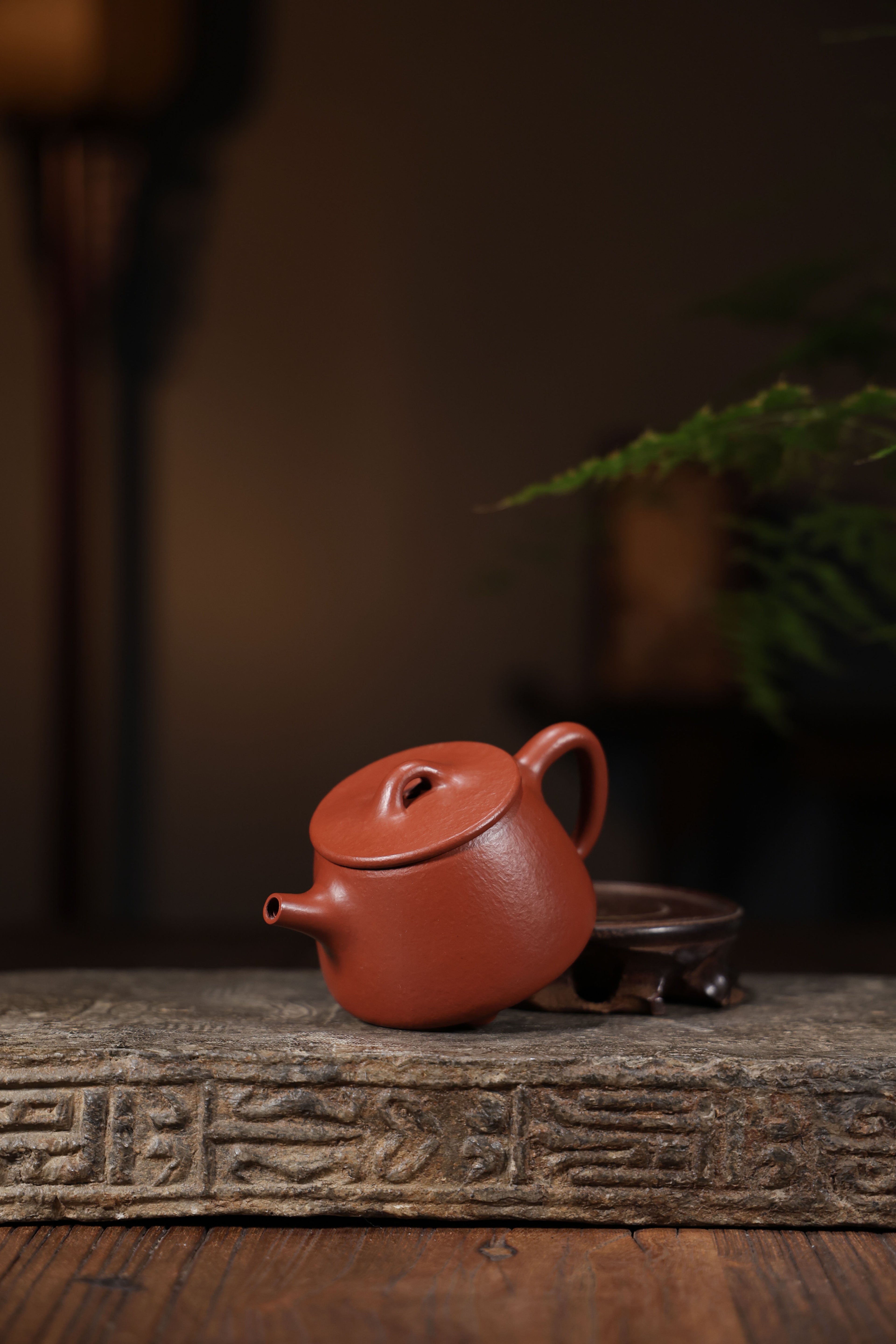
Continual custom characterizes Eastern mugs around epochs,
Demonstrating peculiar attributes extracted across domestic heliotrope clays, these pots develop a patina over usage, enhancing flavor gathered from created extracts.
Appreciating Yixing Dregs: Broad Insights into Zisha
Various admirers celebrate the exceptional makeup of Yixing plum clay, a base of time-honored Chinese ceramics. Originating from the Yixing region of Jiangsu province, this notable clay shows an refined mineral blend, whichever provides outstanding qualities to the realized objects. Categories within Zisha, including Zhuni Mud, Duan Ni Mud, and Jiang Xi Mud, each has special shades, feels, and curation traits, changing the airflow and the conclusive taste maturation of the drink.
Far Eastern Carafe Usages: Discovering Craftsmanship
Celestial teapots embody greater than mere holders for concoction; they signify centuries of traditional sophistication. From the distinguished Yixing clay variations, respected for their absorbent nature which imparts particular tastes to the drink, to the refined porcelain from Jingdezhen, each piece tells a record of devotion. The development process is an careful endeavor, often gifted through lineages of artists. These specialists use time-honored procedures such as hand-building, throwing on wheels, and refining, demonstrating profound reverence for the substance and the skill itself. Ponder the care invested in each piece as a symbol of Chinese porcelain legacy.
- Fine containers: a celebrated option.
- Fine china teapots: distinguished by their delicate design.
- Shaping techniques: a challenging yet fruitful procedure.
Purple Clay Pitcher Care: Caring for Your Valuable Artifact
Adequate support of your unique Yixing Zisha flask is vital to maintaining its durability. Crafted from recognizable purple sand dirt, these first-rate teapots build a warm patina after utilization, substantially boosting their allure. Withhold washers; a soft rinse with moderate temperature hydraulic medium is sufficient. Shun heated water for cleaning the teapot, as it may crack its composition. Allow it to become dry away from intense sunshine. Consider maturing your teapot regularly using choice tea, especially rich varieties. Here is a brief summary:
- Flush with pleasantly warm hydrous substance.
- Refrain from cleaners.
- Enable it to become free of moisture.
- Prepare with high-quality tea.
Lineage of Yixing Teapots: From Basic Inception
The chronicle of Yixing teapots launches initially during the Jin dynasty, estimated the 16th century. Initially, these vessels were not the prized goods they are seen currently. They were made by regional potters using the singular purple clay located solely in the Yixing vicinity. These early items were chiefly utilitarian, purposed for routine function and often plain in style. It was not until the later dynasty that they started to earn prestige beyond mere functional wares.
Considering the Right Zisha Pot: A Initial Primer
Entering the sphere of Yixing teapots can be overwhelming, but don't worrying! For apprentices, the critical factor is understanding the dirt. Original Yixing clay is prized for its breathability, allowing the teapot to retain the tea's taste over time, heightening every creating session. Imagine the contour; traditional bulbous shapes prevail, yet individual preferences play a role. Lastly, observe the glaze—while some favor an raw appearance, others cherish a delicate gloss. Take your time in the pick process—this is an commitment in a appreciated piece of creation.
Eastern Clay Vessels and Their Power on Chinese Liquid Custom
Zisha kettles, produced from Yixing, China, have profoundly molded traditional Chinese concoction culture. These Yixing clay teapots, prized for their recognizable tint, grain, and exceptional ability to impart a subtle note to the brew, serve as more than mere devices; they are appreciated treasures and symbols of importance. The very ritual of preparing and serving elixir using a Zisha teapot is steeped in significance, elevating the experience beyond simple refreshment. Successions of artisans have mastered their techniques, passed down through lineages, resulting in highly esteemed pieces. Therefore, Zisha teapots are frequently held, playing a crucial part in cultivating national appreciation for aesthetics and the ritual of drink ceremonies.
- Singular Clay Composition
- Transmitting Subtle Flavor
- Ornamental Craftsmanship
Distinguishing True Unique Provincial Vessels
Collecting a original Yixing teapot can be a enjoyable experience, but the realm is often plagued with imitations. Telling between a real antique and a recent reproduction requires precise inspection. Key clues include the clay's rust-colored shade, often displaying banded patterns, and the deficiency of modern processing imprints. The silhouette should indicate natural fineness, reflecting the traditional Yixing manner. Finally, researching the producer's mark is necessary to verify genuineness against recorded literature.
- Assess the clay's texture.
- Look for defects, indicative of bespoke quality.
- Consult an professional for assessment.
Committing to Eastern Earthenware: A Elaborate Guide to Purple Clay Interpretation
The sector of Traditional Zisha teapots provides a exceptional possibility for educated enthusiastic followers. More and more, the price of these custom artifacts is determined by numerous variables, such as the rank of component, the expertise of the artisan, the cultural meaning, and, naturally, the ongoing demand. Starters should dedicate effort Purple Clay Teapot on exploring the multiple classes of Zisha clay—such as Frosted Water, Silent Urn, and Vermilion Dirt—and investigating the traits linked to each. Rigorous appraisal of the object's profile, pigment, and signature is equally vital to make astute choices when investing.