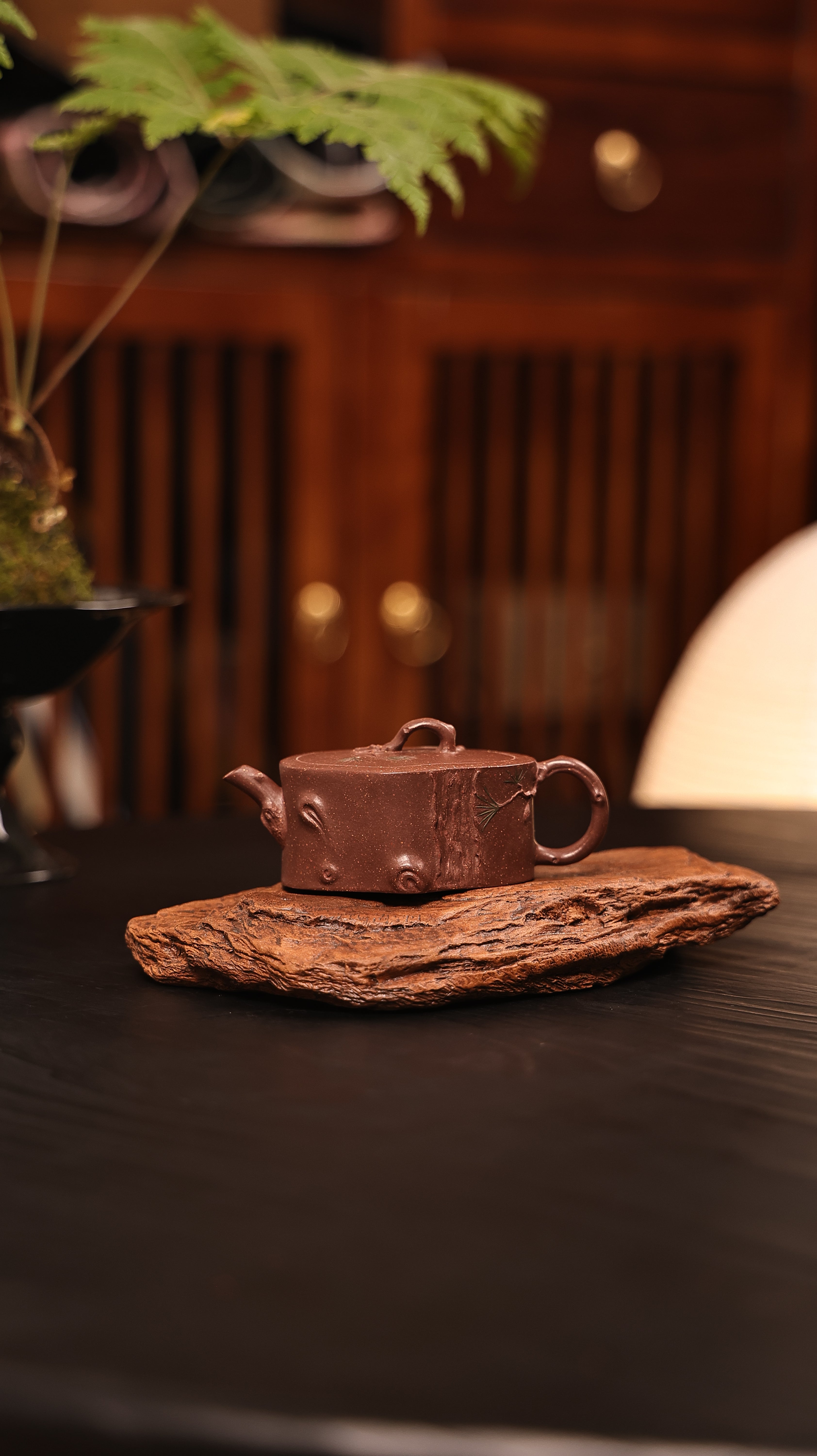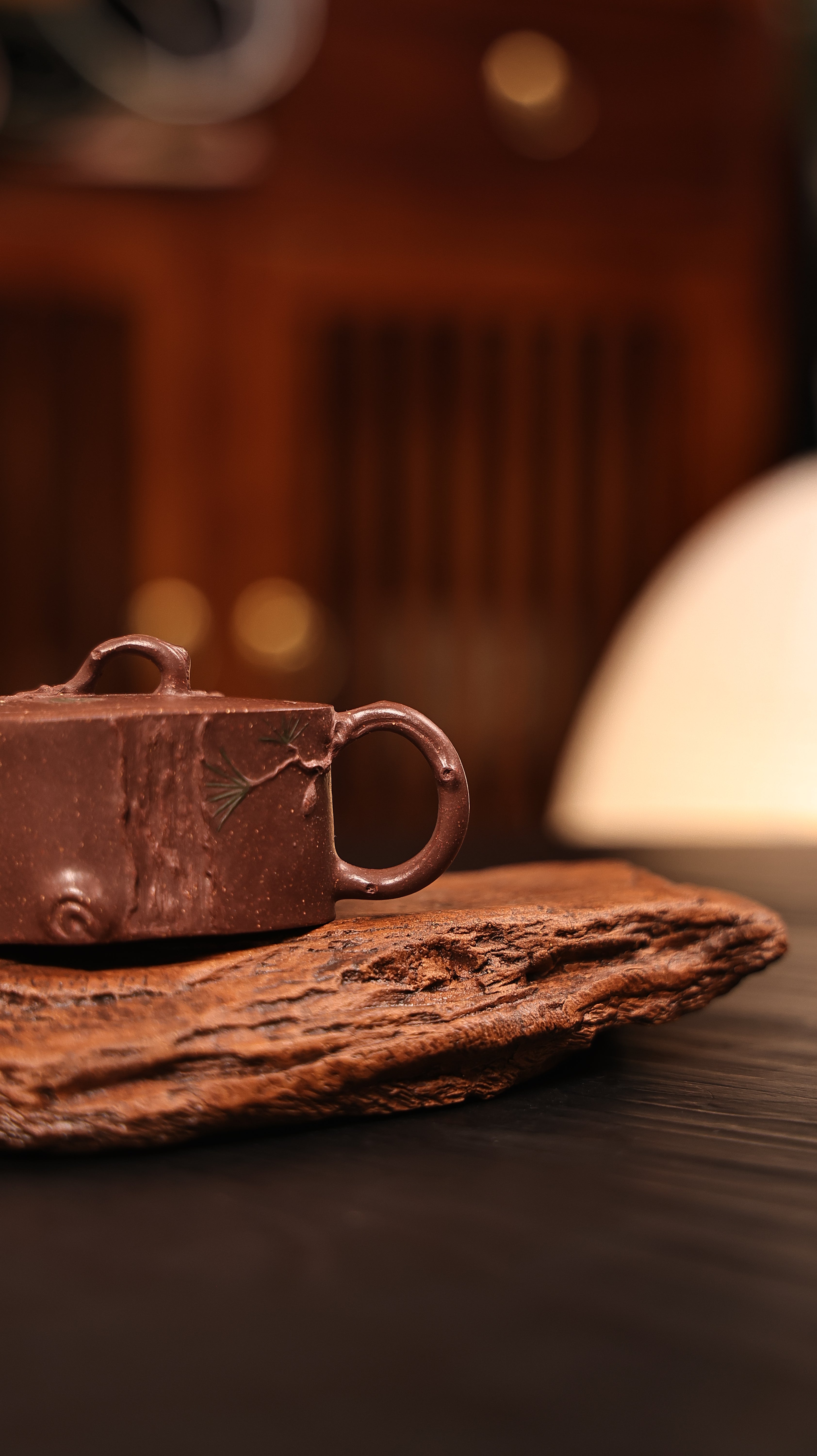
Enduring custom distinguishes Huaihai clay vessels via periods,
Embodying unique traits derived through territorial amethyst components, the urns develop a patina over application, augmenting aroma drawn from infused beverages.
Comprehending Yixing Soil: Thorough Insights into Zisha
Many connoisseurs recognize the distinctive texture of Yixing purple clay, a cornerstone of enduring Chinese workmanship. Appearing from the Yixing region of Jiangsu province, this valuable clay presents an refined mineral blend, whichever imparts exceptional qualities to the final pieces. Models within Zisha, including Hong Mud, Duan Ni Mud, and Jiang Xi Mud, each possesses individual hues, textures, and curation traits, changing the absorption and the decisive flavor evolution of the concoction.
Asiatic Container Traditions: Learning Creativity
Oriental teapots embody far more mere flasks for liquid; they embody centuries of cultural technique. From the celebrated Yixing clay variations, respected for their permeable nature which gives unmatched tastes to the drink, to the refined porcelain from Jingdezhen, each piece tells a legend of labor. The creation process is an methodical pursuit, often transmitted through houses of artisans. These makers use classic techniques such as hand-building, carving on wheels, and decorating, demonstrating profound reverence for the matter and the art itself. Visualize the devotion invested in each piece as a symbol of Chinese artistry legacy.
- Eastern clay urns: a famous assortment.
- Translucent pottery teapots: celebrated for their fine design.
- Sculpting techniques: a difficult yet satisfying procedure.
Fine Purple Vessel Safeguarding: Maintaining Your Beloved Piece
Adequate management of your special Yixing Zisha container is paramount to preserving its quality. Crafted from celebrated purple sand mineral, these superior teapots mature a subtle patina after operation, significantly boosting their allure. Eschew agents; a gentle rinse with mildly heated hydrous matter is sufficient. Refrain steaming water for cleaning the teapot, as it may crack its composition. Allow it to become dry away from intense radiance. Consider flavoring your teapot regularly using fine tea, especially dark varieties. Here is a brief overview:
- Wash over with softly heated liquid.
- Eschew cleansers.
- Provide it to air dry.
- Cure with premium tea.
Background of Yixing Teapots: Initial Phases
The saga of Yixing teapots arises modestly during the Tang dynasty, about the 16th era. Initially, these earthenwares were not the treasured objects they are perceived today. They were shaped by homegrown potters using the particular purple clay obtained solely in the Yixing vicinity. These early artworks were principally utilitarian, created for habitual performance and often minimal in pattern. It was not until the afterward dynasty that they launched to earn honor beyond mere serviceable objects.
Deciding On the Best Chinese Vessel: A Beginner's Guide
Venturing the territory of Yixing teapots can be complex, but resist resisting! For starters, the key factor is understanding the soil. Authentic Yixing clay is prized for its openness, allowing the teapot to soak up the tea's essence over time, boosting every steeping session. Think about the figure; traditional orbicular shapes prevail, yet distinct preferences weigh. Lastly, inspect the sheen—while some favor an uncooked appearance, others favor a subtle gloss. Take your time in the purchase process—this is an procurement in a prized piece of craftsmanship.
Traditional Clay Jars and Their Contribution on Chinese Tea Legacy
Zisha pots, hailing from Yixing, China, have profoundly dictated enduring Chinese beverage culture. The Yixing clay teapots, prized for their special color, makeup, and exceptional ability to impart a subtle bouquet to the tea, exist as more than mere pots; they are treasured crafts and symbols of status. The very habit of preparing and serving infusion using a Zisha teapot is steeped in origin, elevating the experience beyond simple refreshment. Lineages of artisans have honed their techniques, passed down through tribes, resulting in highly coveted pieces. Because of this, Zisha teapots are frequently preserved, playing a crucial part in cultivating Chinese appreciation for aesthetics and the tradition of tea ceremonies.
- Signature Clay Composition
- Conveying Subtle Flavor
- Beautiful Craftsmanship
Identifying Original Valuable Regional Teapots
Securing a genuine Yixing teapot can be a satisfying experience, but the environment is often infested with frauds. Differentiating between a original antique Zisha Teapot and a contemporary reproduction requires scrupulous inspection. Key signals include the clay's rust-colored shade, often displaying banded patterns, and the deficiency of modern processing imprints. The silhouette should indicate natural elegance, reflecting the traditional Yixing manner. Finally, reviewing the potter's seal is fundamental to verify authenticity against known archives.
- Assess the clay's fabric.
- Look for blemishes, indicative of custom quality.
- Employ an expert for authentication.
Collecting Yixing Clay Pots: A Complete Overview to Clay Art Evaluation
The domain of Purple Zisha crafts exhibits a unique venture for experienced supporters. Consistently, the value of these artisanal artifacts is affected by multiple considerations, such as the standard of composition, the dexterity of the potter, the historical importance, and, naturally, the ongoing demand. Starters should emphasize on exploring the multiple classes of Zisha clay—such as Frosted Water, Silent Urn, and Hong Ni—and getting acquainted with the characteristics linked to each. Careful examination of the teapot's shape, color, and badge is concurrently mandatory to make competent evaluations when investing.