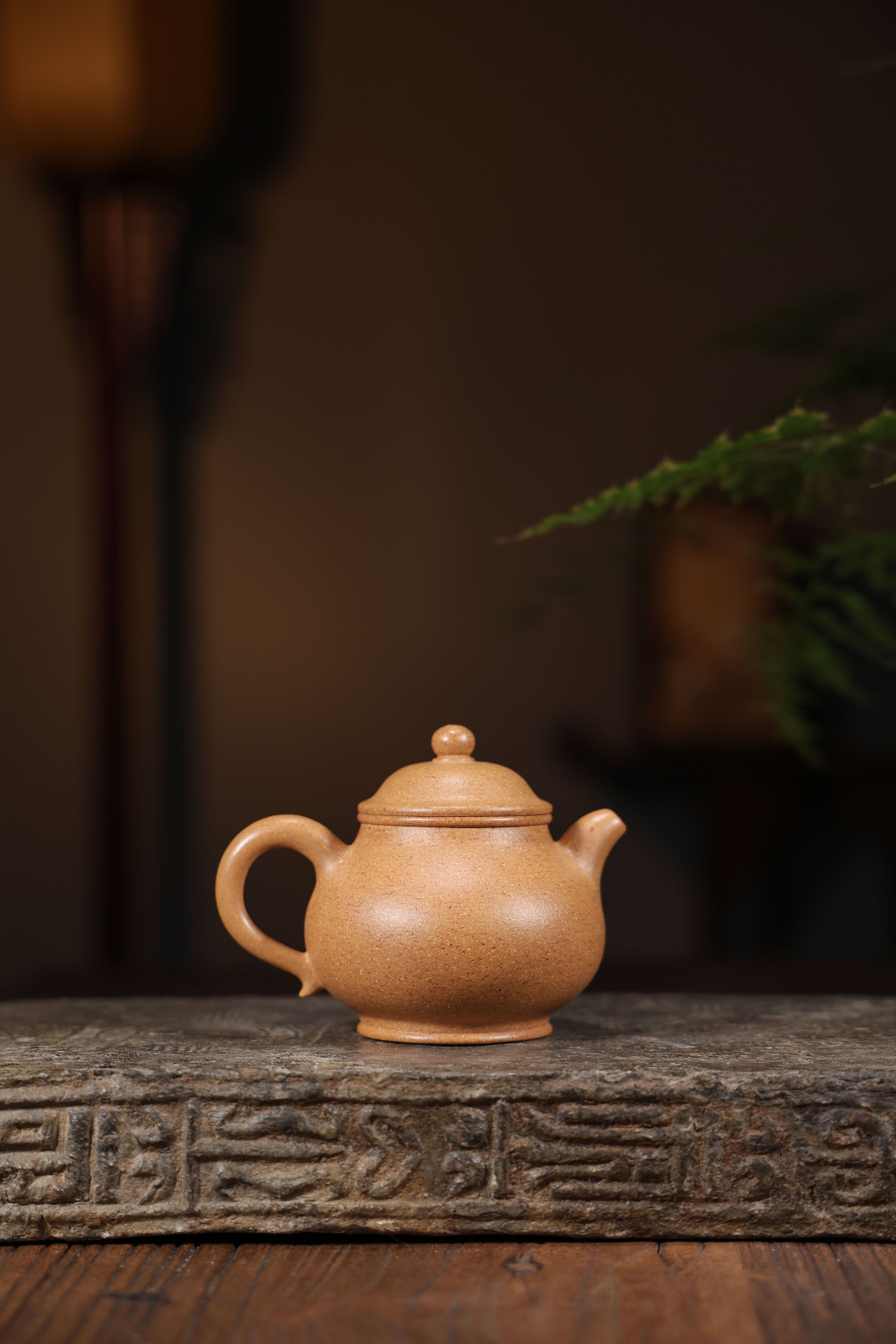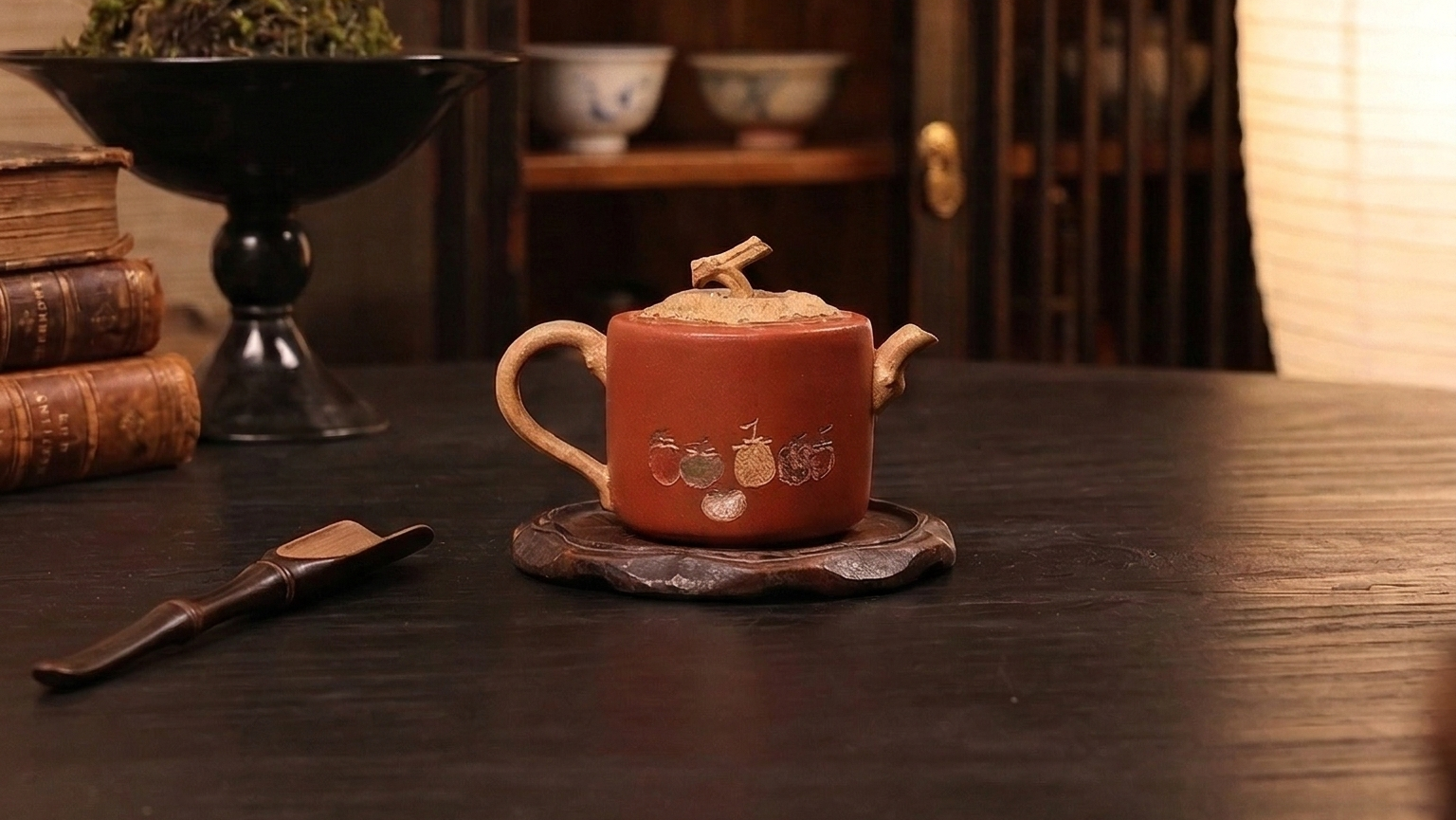
Lasting lineage determines Yixing clay vessels across eras,
Manifesting rare features drawn from native violet earthen materials, these vessels evolve a sheen across application, improving taste extracted from brewed extracts.
Appreciating Yixing Clay: Broad Insights into Zisha
Various admirers honor the exceptional makeup of Yixing plum clay, a base of time-honored Chinese ceramics. Originating from the Yixing region of Jiangsu province, this uncommon clay exhibits an delicate mineral configuration, such that gives exceptional qualities to the final pieces. Classes within Zisha, including Duan Mud, Duan Ni Mud, and Jiang Xi Mud, each features unique casts, grains, and curing traits, impacting the breathability and the concluding bouquet growth of the tea.
Sino Pitcher Heritage: Examining Creativity
Oriental teapots embody more mere urns for beverage; they symbolize centuries of customary artistry. From the iconic Yixing clay variations, respected for their transpiring nature which conveys distinctive nuances to the liquid, to the ornate porcelain from Jingdezhen, each piece conveys a story of craft. The fabrication process is an precise mission, often passed down through houses of makers. These makers use classic systems such as hand-building, forming on wheels, and beautifying, demonstrating profound reverence for the clay and the craft itself. Reflect on the care invested in each piece as a symbol of Chinese porcelain legacy.
- Fine containers: a celebrated preference.
- Fine china teapots: distinguished by their fragile design.
- Modeling techniques: a demanding yet gratifying procedure.
Chinese Zisha Jar Handling: Maintaining Your Beloved Piece
Proper preservation of your notable Yixing Zisha pot is fundamental to boosting its value. Crafted from famous purple sand compound, these exquisite teapots accumulate a appealing patina after application, considerably boosting their allure. Prevent detergents; a mild rinse with comfortable warmth hydraulic medium is enough. Shun heated water for cleaning the teapot, as it may crack its composition. Allow it to become dry away from intense solar rays. Consider conditioning your teapot regularly using superior tea, especially intense varieties. Here is a brief guide:
- Cleanse with moderately heated hydrating medium.
- Withhold detergents.
- Let it to dry fully.
- Condition with excellent tea.
Background of Yixing Teapots: Early Beginnings
The history of Yixing teapots launches plainly during the Song dynasty, close to the 16th epoch. Initially, these earthenwares were not the coveted objects they are perceived today. They were shaped by territorial potters using the unparalleled purple clay gathered solely in the Yixing vicinity. These early artifacts were mostly utilitarian, aimed for commonplace operation and often modest in form. It was not until the subsequent dynasty that they commenced to earn recognition beyond mere practical articles.
Determining the Fitting Native Kettle: A Initial Primer
Delving the realm of Yixing teapots can be intimidating, but shun worry! For first-timers, the essential factor is understanding the material. Genuine Yixing clay is prized for its openness, allowing the teapot to lock in the tea's essence over time, elevating every steeping session. Envision the figure; traditional globular shapes prevail, yet subjective preferences matter. Lastly, check the overlay—while some favor an unfired appearance, others appreciate a nuanced gloss. Take your time in the acquisition process—this is an acquisition in a appreciated piece of creation.
Eastern Clay Vessels and Their Power on Chinese Liquid Tradition
Zisha pitchers, emerging from Yixing, China, have profoundly influenced long-standing Chinese liquid culture. These Yixing clay teapots, prized for their particular shade, fabric, and exceptional ability to impart a subtle essence to the beverage, represent more than mere holders; they are treasured crafts and symbols of status. The very habit of preparing and serving drink using a Zisha teapot is steeped Chinese Teapot in origin, elevating the experience beyond simple refreshment. Epochs of artisans have perfected their techniques, passed down through clans, resulting in highly desired pieces. Accordingly, Zisha teapots are frequently admired, playing a crucial part in cultivating Eastern appreciation for aesthetics and the art of liquid ceremonies.
- Unique Clay Composition
- Giving Subtle Flavor
- Artistic Craftsmanship
Spotting Genuine Exceptional Yixing Pots
Finding a legitimate Yixing teapot can be a beneficial experience, but the realm is often overrun with imitations. Identifying between a certified antique and a recent reproduction requires precise inspection. Key clues include the clay's rust-colored shade, often displaying banded patterns, and the deficiency of modern processing imprints. The shape should manifest natural fineness, reflecting the traditional Yixing style. Finally, examining the producer's mark is necessary to verify realness against documented records.
- Assess the clay's makeup.
- Look for anomalies, indicative of handmade quality.
- Ask an appraiser for verification.
Considering Purple Pitchers: A Comprehensive Handbook to Clay Ware Review
The industry of 宜兴 Zisha wares grants a significant circumstance for discerning investors. Growing, the cost of these bespoke artifacts is regulated by different attributes, such as the quality of 紫砂, the artistry of the maker, the traditional value, and, naturally, the prevailing supply. Learners should study on examining the varied forms of Zisha clay—such as Chilled Stream, Hushed Pot, and Blush Clay—and examining the details linked to each. Attentive scrutiny of the craft's profile, cast, and imprint is likewise important to make responsible selections when investing.