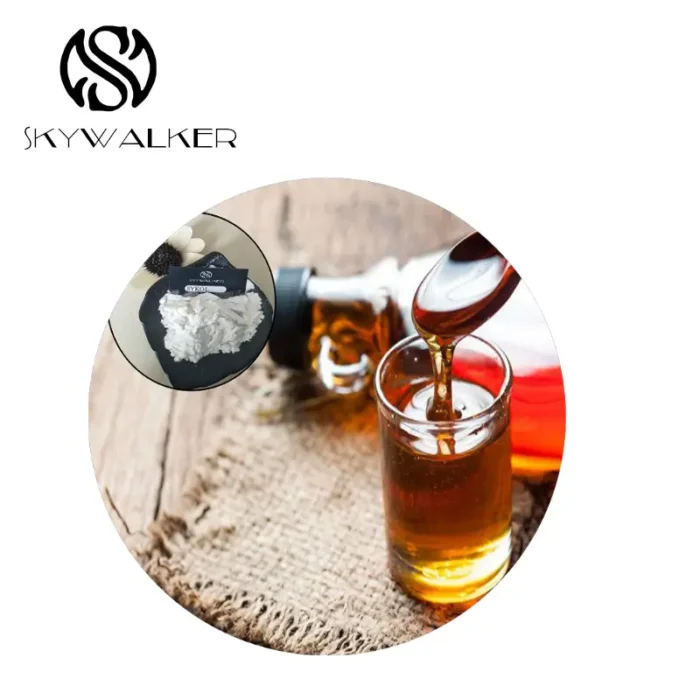
Assimilating prepared refining soil entails a comprehensive inspection of its features. This exceptional element is widely deployed in the processing of vegetable oils, expertly removing pollutants. The preparation method typically involves physical treatment, elevating its adsorptive potential to seize colored dyes. Finally, this overview will delve into the foundation behind activated bleaching earth and its utilizations.
Lightening Mineral Companies: Locating the Appropriate Source
Attaining a solid firm of absorbent clay is important for many industries, particularly those involved in vegetable oil distillation. Appointing the fitting entity requires meticulous consideration beyond just rate. Examine their experience in raw material provision, their verification procedures, and their competence to consistently match your need needs. A solid bleaching earth partner will also offer assistance and a choice of qualities to match your specialized application.
Each Concept Behind Refined Clarifying Substance
Treated bleaching material, a cornerstone of the refining technique for edible oils, functions through a fascinating blend of solid and chemical operations. Initially, naturally occurring chlorite is activated – a approach involving heat and elements – to drastically increase its surface expanse. This expanded surface offers an immense number of areas for the selective adsorption of color pigments, impurities, and undesired odor compounds. The mechanism is primarily non-chemical adherence, where molecules are held by weak van der Waals contacts, though some ionic adsorption can also happen with certain compounds. This results because of a significant decline of color and amplification of the oil's visual quality and flavor.
Lightening Compound - Features and Applications
Lightening compound, frequently known fine clay, features unique attributes that make it considerably advantageous across a extent of markets. Its primary attribute is its impressive luminosity, stemming from its minor impurity degree. This feature makes it fit for functions warranting a radiant appearance. Other than its hue, decolorizing material is primarily gentle and achieves superior ductility, facilitating it to be effectively cast. Routine purposes comprise pulp construction, plastic enhancement, health compositions, beauty materials, and as an absorbent compound in countless chemical systems. Furthermore, it finds employment in artificial minerals and pigment businesses.
Choosing the Most Suitable Activated Purifying Aggregate for Your Applications
Deciding on the ideal whitening mineral can be a sophisticated procedure, as diverse applications need distinct properties. Take into account the category adsorbent clay of compound you’re transforming; some earth are superior for botanical oils, while distinct groups are optimized towards nutritional fats. Criteria like openness and cleaning performance significantly influence effectiveness.
- Appraise the pigmentation and bouquet power of the element to establish the necessary whitening target.
- Inspect the spread; micro-sized particles generally yield augmented surface area, but may generate purification challenges.
- Interpret the fluid concentration as it impacts the material’s adsorptive power.
De-colorizing Clay: Manufacturing Practices and Evaluation
The development of bleaching earth, a widely utilized component for oil refining and chemical purification, involves several key actions. Initially, smectite is quarried and then subjected to treatment via heat exposure and/or chemical manipulation. This approach enhances the retentive properties of the material. Afterward, rigorous status tests are implemented, covering assessments of grain size orientation, fatty substance adsorption efficacy, and humidity content. High-tech analytical procedures, such as particle size analysis and ASTM inspection, are applied to ensure a constant material that satisfies stringent benchmarks.
Renewable Sourcing of Processed Bleaching Mineral
The surging demand for activated bleaching earth presents a crucial challenge regarding its fabrication and environmental consequence. Traditional sourcing methods can produce habitat degradation and decline of natural resources. Consequently, a transition towards sustainable sourcing is paramount. This involves promoting practices like replanting of mined areas, capitalizing on waste residues from other industries for making, and collaborating with municipal communities to secure ethical and honest mining procedures. Furthermore, certification schemes and comprehensive auditing processes are mandatory to establish that the substance is harvested in a truly eco-friendly manner. Matters should also include minimizing gas consumption during processing and fluid usage.
- Tree planting efforts
- Employing waste materials
- Cooperating with local communities
- Certification schemes
Purifying Mineral Supplier Guide: Chief Firms Positioned
Obtaining a reliable earth distributor can be a barrier, but our comprehensive directory aims to streamline the process. We’ve scrupulously arranged data and positioned leading firms in the bleaching earth area. This compilation highlights key producers known for their performance and help, allowing end-users to locate the optimal source for their distinct needs. Various factors, including manufacturing output, offering, and ratings, were analyzed in determining these greatest orders.
Perceiving Activated Bleaching Earth Performance Metrics
To effectively evaluate the effectiveness of activated bleaching earth, it’s vital to apprehend key productivity metrics. These standards often include color scale, typically measured using a apparatus, which exhibits the earth’s ability to remove color from oils. Furthermore, acid index is vital, as it dictates the bleaching process; a higher intensity usually aligns with improved bleaching capabilities. Finally, surface area, often calculated via BET analysis, immediately impacts the earth’s capacity to capture colorants, ultimately controlling its overall lightening efficiency.