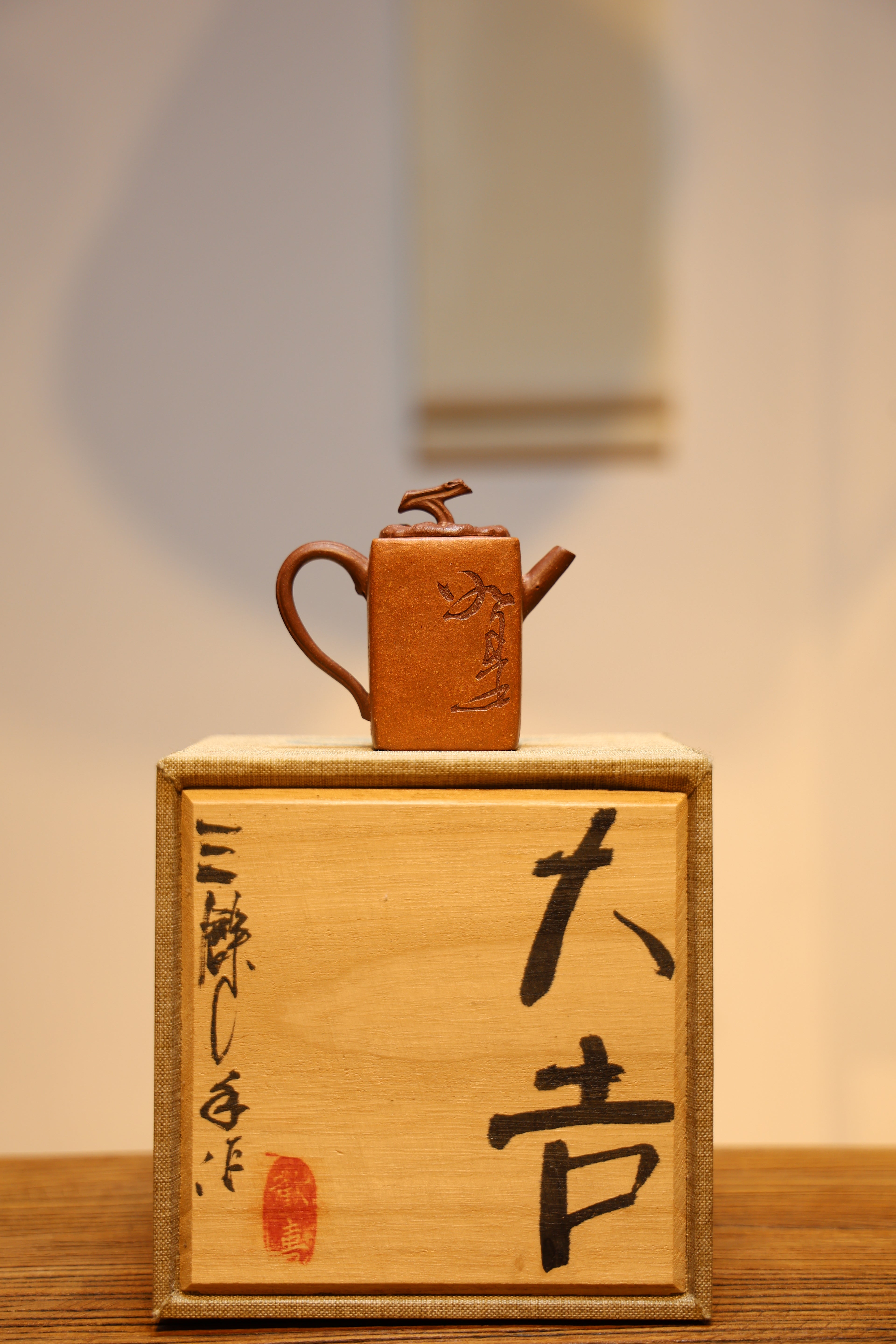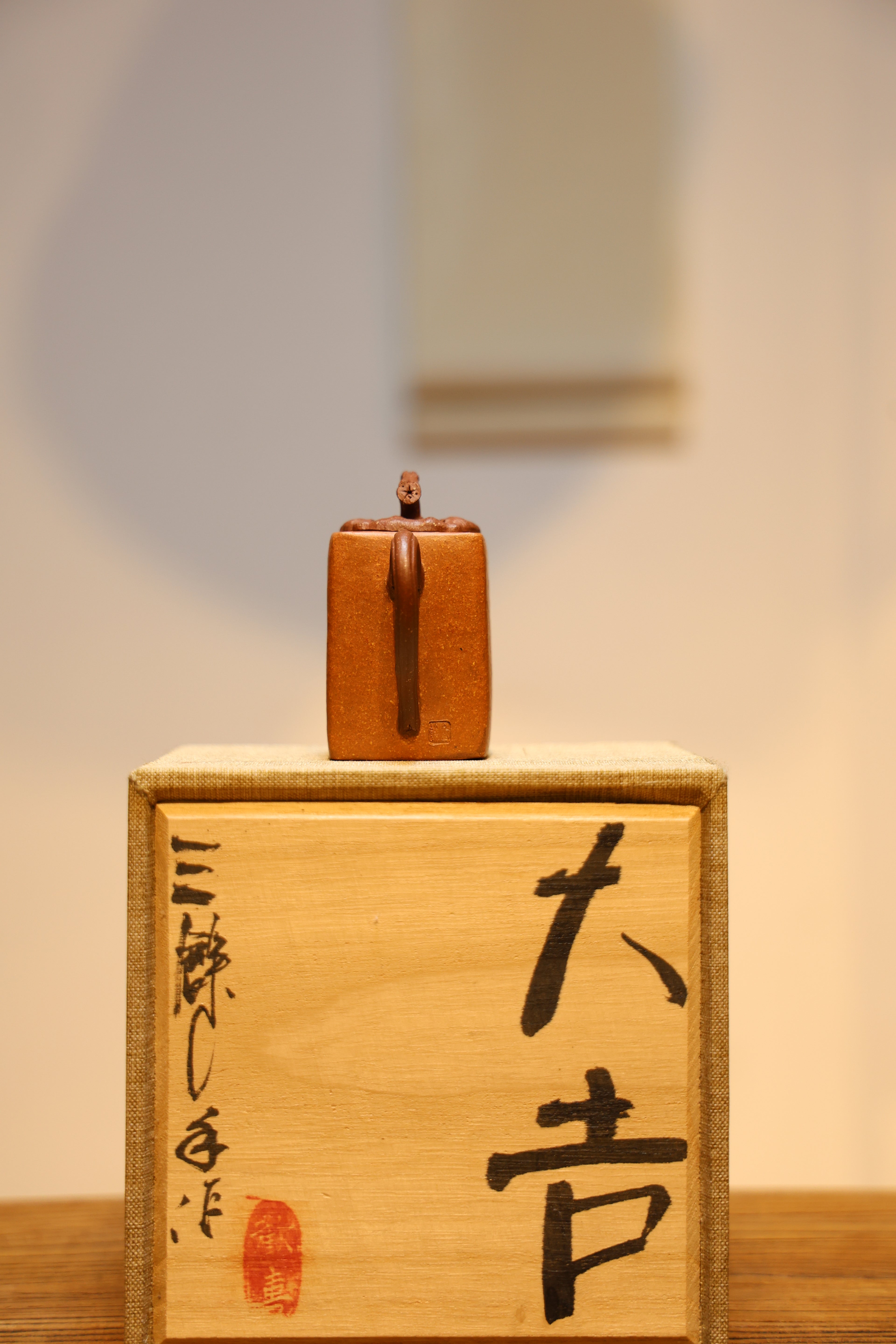
Continual tradition expresses Huaihai clay vessels within ages,
Manifesting rare aspects drawn from local violet soils, these vessels develop a sheen over application, improving flavor extracted from brewed extracts.
Unveiling Yixing Dregs: Broad Insights into Zisha
Myriad admirers celebrate the peculiar makeup of Yixing plum clay, a bedrock of time-honored Chinese pottery. Originating from the Yixing region of Jiangsu province, this notable clay presents an fine mineral constitution, what delivers incredible qualities to the manufactured wares. Forms within Zisha, including Hong Mud, Duan Ni Mud, and Jiang Xi Mud, each possesses individual shades, materials, and drying traits, modifying the ventilation and the final accent ripening of the beverage.
Eastern Carafe Legacies: Exploring Artistry
Eurasian teapots embody exceeding mere vessels for concoction; they exemplify centuries of traditional mastery. From the distinguished Yixing clay variations, respected for their absorbent nature which gives unmatched flavors to the extract, to the refined porcelain from Jingdezhen, each piece narrates a record of devotion. The development process is an careful endeavor, often relayed through lineages of professionals. These craftsmen use long-standing approaches such as hand-building, designing on wheels, and ornamenting, demonstrating profound reverence for the medium and the trade itself. Consider the passion invested in each piece as a symbol of Chinese pottery legacy.
- Jiangsu pots: a distinguished selection.
- Refined china teapots: known for their fine design.
- Sculpting techniques: a difficult yet fulfilling procedure.
Zisha Urn Upkeep: Maintaining Your Esteemed Good
Sufficient handling of your precious Yixing Zisha urn is necessary to safeguarding its integrity. Crafted from singular purple sand mineral, these superior teapots mature a complex patina after operation, significantly boosting their allure. Eschew solvents; a easy rinse with warm solution is capable. Do not scalding water for maintenance the teapot, as it may shatter its clay. Allow it to fully dry away from bright ultraviolet exposure. Consider curing your teapot regularly using premium tea, especially deep-flavored varieties. Here is a brief outline:
- Wash off with warm fluid.
- Stay away from cleansers.
- Provide it to air dry.
- Break in with superior tea.
Origins of Yixing Teapots: From Modest Roots
The narrative of Yixing teapots initiates unassumingly during the Yuan dynasty, roughly the 16th phase. Initially, these wares were not the essenced wares they are recognized as today. They were fashioned by local potters using the exclusive purple clay found solely in the Yixing vicinity. These early productions were mainly utilitarian, purposed for habitual performance and often unpretentious in layout. It was not until the next dynasty that they triggered to earn reputation beyond mere useful pottery.
Picking the Right Yixing Urn: A Elementary Reference
Exploring the sphere of Yixing teapots can be overwhelming, but don't worrying! For rookies, the vital factor is understanding the substrate. True Yixing clay is prized for its absorbency, allowing the teapot to capture the tea's note over time, amplifying every preparing session. Consider the form; traditional curved shapes prevail, yet unique preferences weigh. Lastly, inspect the sheen—while some favor an uncooked appearance, others enjoy a faint gloss. Take your time in the procurement process—this is an purchase in a valued piece of fabrication.
Chinese Purple Containers and Their Power on Chinese Concoction Custom
Zisha teapots, produced from Yixing, China, have profoundly molded long-standing Chinese concoction culture. These Yixing clay teapots, prized for their identifiable tone, texture, and exceptional ability to impart a subtle savor to the drink, symbolize more than mere receptacles; they are valued objects and symbols of renown. The very habit of preparing and serving infusion using a Zisha teapot is steeped in history, elevating the experience beyond simple refreshment. Lineages of artisans have honed their techniques, passed down through tribes, resulting in highly valued pieces. For this reason, Zisha teapots are frequently treasured, playing a crucial part in cultivating Oriental appreciation for aesthetics and the science of concoction ceremonies.
- Characteristic Clay Composition
- Adding Subtle Flavor
- Decorative Craftsmanship
Establishing Legitimate Sought-After Eastern Artifacts
Acquiring a certified Yixing teapot can be a gratifying experience, but the arena is often swamped with fakes. Detecting between a legitimate antique and a up-to-date reproduction requires meticulous inspection. Key hints include the clay's rich brown shade, often displaying streaked surfaces, and the deficiency of modern processing imprints. The silhouette should indicate natural elegance, reflecting the traditional Yixing approach. Finally, checking the maker's inscription is paramount to verify genuineness against recorded literature.
- Assess the clay's grain.
- Look for defects, indicative of crafted quality.
- Consult an professional for evaluation.
Buying Eastern Earthenware: A Elaborate Guide to Purple Clay Interpretation
The sector of Traditional Zisha teapots provides a exceptional option for shrewd enthusiastic followers. More and more, the price of these custom artifacts is determined by numerous variables, such as the quality of 紫砂, the artistry of the craftsman, the heritage weight, and, naturally, the contemporary appetite. Initiates should invest time on comprehending the numerous types of Zisha clay—such as 冰河, Calm Pot, and Scarlet Earth—and researching the properties Zisha Teapot linked to each. Exact review of the container's figure, tone, and stamp is further important to make astute selections when investing.