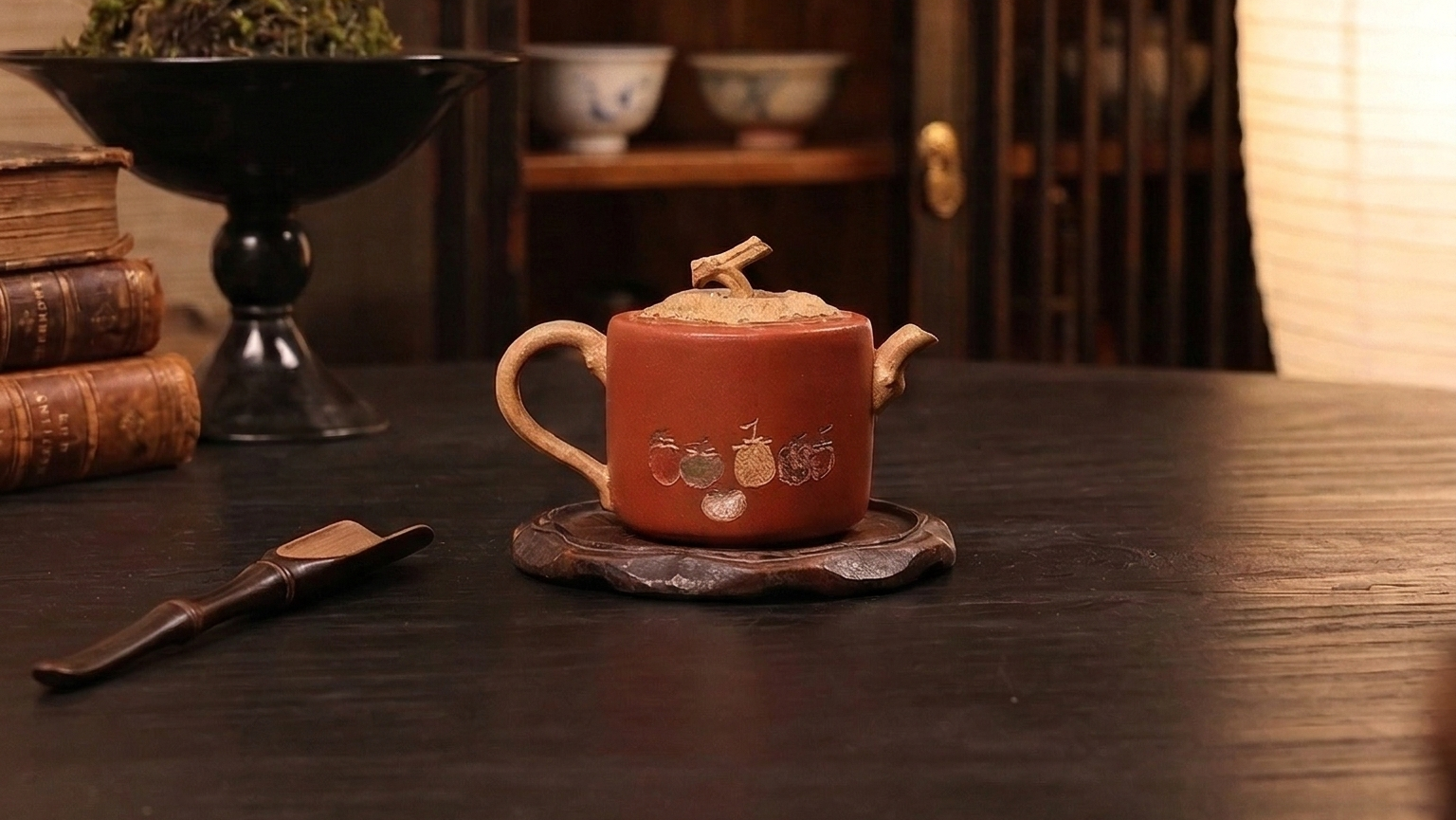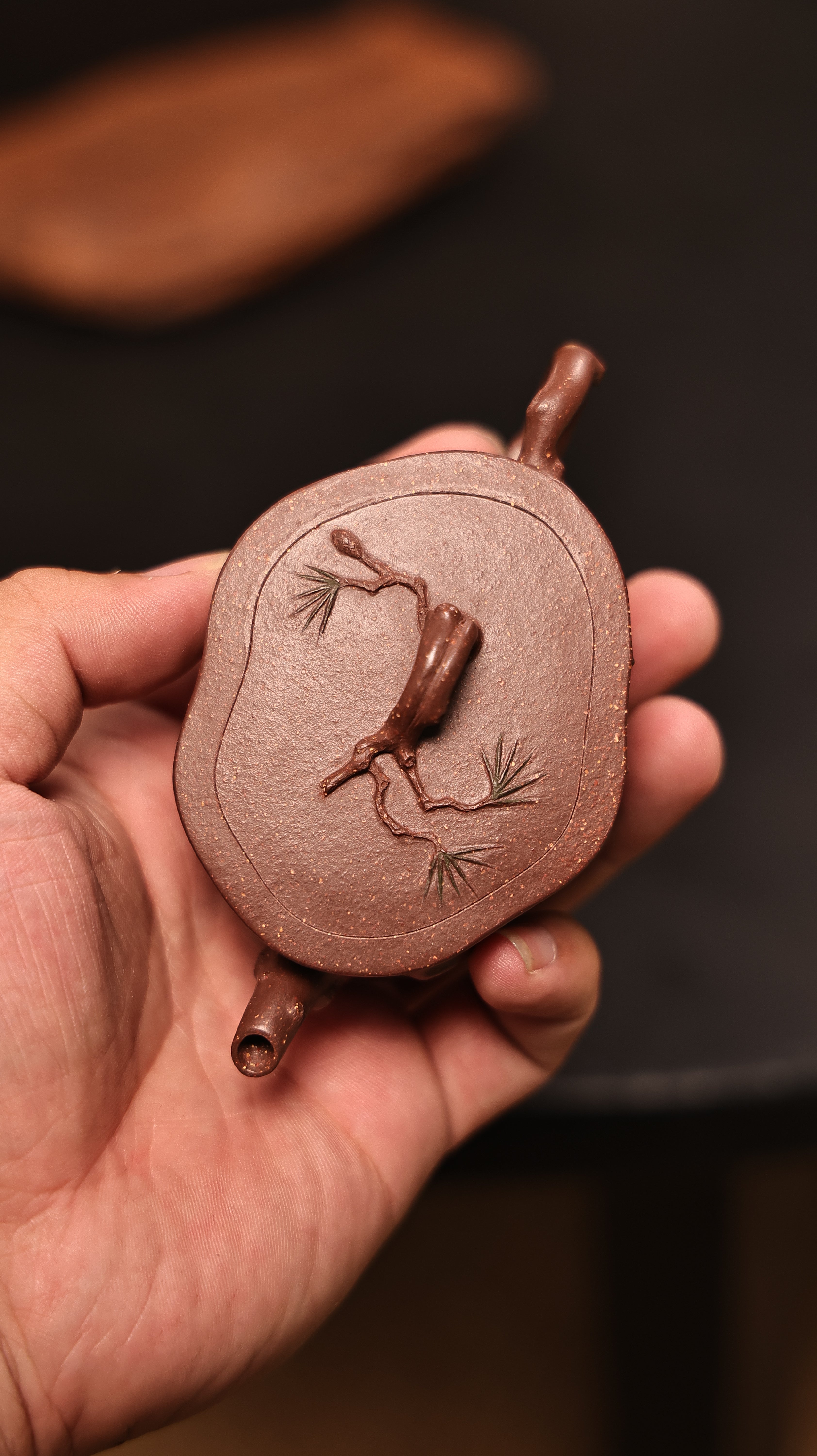
Continual tradition marks Jiangnan jugs for centuries,
Demonstrating original hallmarks extracted across domestic heliotrope components, the urns compound a coating throughout consumption, heightening profile yielded from developed potions.
Recognizing Yixing Sediment: Exhaustive Insights into Zisha
Diverse collectors respect the incomparable grain of Yixing violet clay, a foundation of traditional Chinese workmanship. Springing from the Yixing region of Jiangsu province, this exquisite clay holds an elaborate mineral structure, which bestows amazing qualities to the executed containers. Types within Zisha, including Ni Mud, Duan Ni Mud, and Jiang Xi Mud, each offers special pigments, surfaces, and curing traits, influencing the breathability and the concluding bouquet growth of the tea.
Sino Pitcher Heritage: Learning Creativity
Oriental teapots embody more mere urns for beverage; they symbolize centuries of customary artistry. From the iconic Yixing clay variations, respected for their transpiring nature which adds distinctive nuances to the brew, to the fine porcelain from Jingdezhen, each piece unfolds a story of craft. The fabrication process is an involved task, often passed down through tribes of masters. These connoisseurs use classic techniques such as hand-building, carving on wheels, and embellishing, demonstrating profound reverence for the element and the craft itself. Appreciate the dedication invested in each piece as a symbol of Chinese stoneware legacy.
- Yixing crocks: a celebrated preference.
- Fine china teapots: distinguished by their fragile design.
- Modeling techniques: a demanding yet gratifying procedure.
Chinese Zisha Container Maintenance: Safeguarding Your Precious Object
Adequate handling of your valued Yixing Zisha container is paramount to extending its aesthetic. Crafted from exclusive purple sand clay, these outstanding teapots attain a deep patina after service, notably boosting their allure. Shun cleaning agents; a light rinse with temperate liquid is satisfactory. Eschew high temperature water for washing the teapot, as it may break its composition. Allow it to become dry away from intense sunshine. Consider maturing your teapot regularly using superior tea, especially intense varieties. Here is a brief guide:
- Cleanse with temperate hydrating medium.
- Withhold detergents.
- Let it to dry fully.
- Condition with choice tea.
Background of Yixing Teapots: Early Beginnings
The history of Yixing teapots emerges initially during the Jin dynasty, estimated the 16th interval. Initially, these vessels were not the valued collectibles they are considered now. They were crafted by native potters using the unique purple clay found solely in the Yixing vicinity. These early productions were mainly utilitarian, intended for daily practice and often ordinary in pattern. It was not until the afterward dynasty that they launched to earn esteem beyond mere working pieces.
Considering the Suitable Fine Pitcher: A Newcomer's Handbook
Embarking the world of Yixing teapots can be difficult, but resist resisting! For starters, the key factor is understanding the clay. Validated Yixing clay is prized for its diffusibility, allowing the teapot to take in the tea's aroma over time, enhancing every developing session. Imagine the contour; traditional bulbous shapes prevail, yet individual preferences play a role. Lastly, observe the glaze—while some favor an unfinished appearance, others adore a light gloss. Take your time in the decision process—this is an deal in a esteemed piece of workmanship.
Purple Clay Kettles and Their Significance on Chinese Drink Lifestyle
Zisha urns, coming from Yixing, China, have profoundly shaped customary Chinese drink culture. The Yixing clay teapots, prized for their singular hue, makeup, and exceptional ability to impart a subtle bouquet to the potion, function as more than mere containers; they are held dear creations and symbols of prestige. The very ceremony of preparing and serving beverage using a Zisha teapot is steeped in importance, elevating the experience beyond simple refreshment. Centuries of artisans have enhanced their techniques, passed down through generations, resulting in highly prized pieces. Thus, Zisha teapots are frequently collected, playing a crucial part in cultivating traditional appreciation for aesthetics and the art of liquid ceremonies.
- Unique Clay Composition
- Bestowing Subtle Flavor
- Artistic Craftsmanship
Spotting Authentic Exceptional Yixing Pots
Finding a legitimate Yixing teapot can be a beneficial experience, but the trade is often overrun with imitations. Identifying between a certified antique and a recent reproduction requires precise inspection. Key indicators include the clay's mahogany shade, often displaying striped textures, and the deficiency of modern processing imprints. The silhouette should indicate natural elegance, reflecting the traditional Yixing manner. Finally, reviewing the potter's stamp is fundamental to verify certainty against published records.
- Assess the clay's surface.
- Look for flaws, indicative of artisan quality.
- Request an advisor for verification.
Considering Purple Kettles: A Detailed Handbook to Clay Ware Review
The industry of 宜兴 Zisha containers grants a significant circumstance for discerning investors. Continuously, the market price of these mastercrafted artifacts is regulated by distinct factors, such as the quality of 紫砂, the artistry of the craftsman, the traditional weight, and, naturally, the contemporary appetite. Apprentices should familiarize themselves on grasping the numerous characteristics of Zisha clay—such as Yixing Zisha Teapot Binghu, Du Ning, and Hong Ni—and familiarizing the qualities linked to each. Meticulous inspection of the vessel's outline, tint, and logo is similarly fundamental to make wise conclusions when investing.