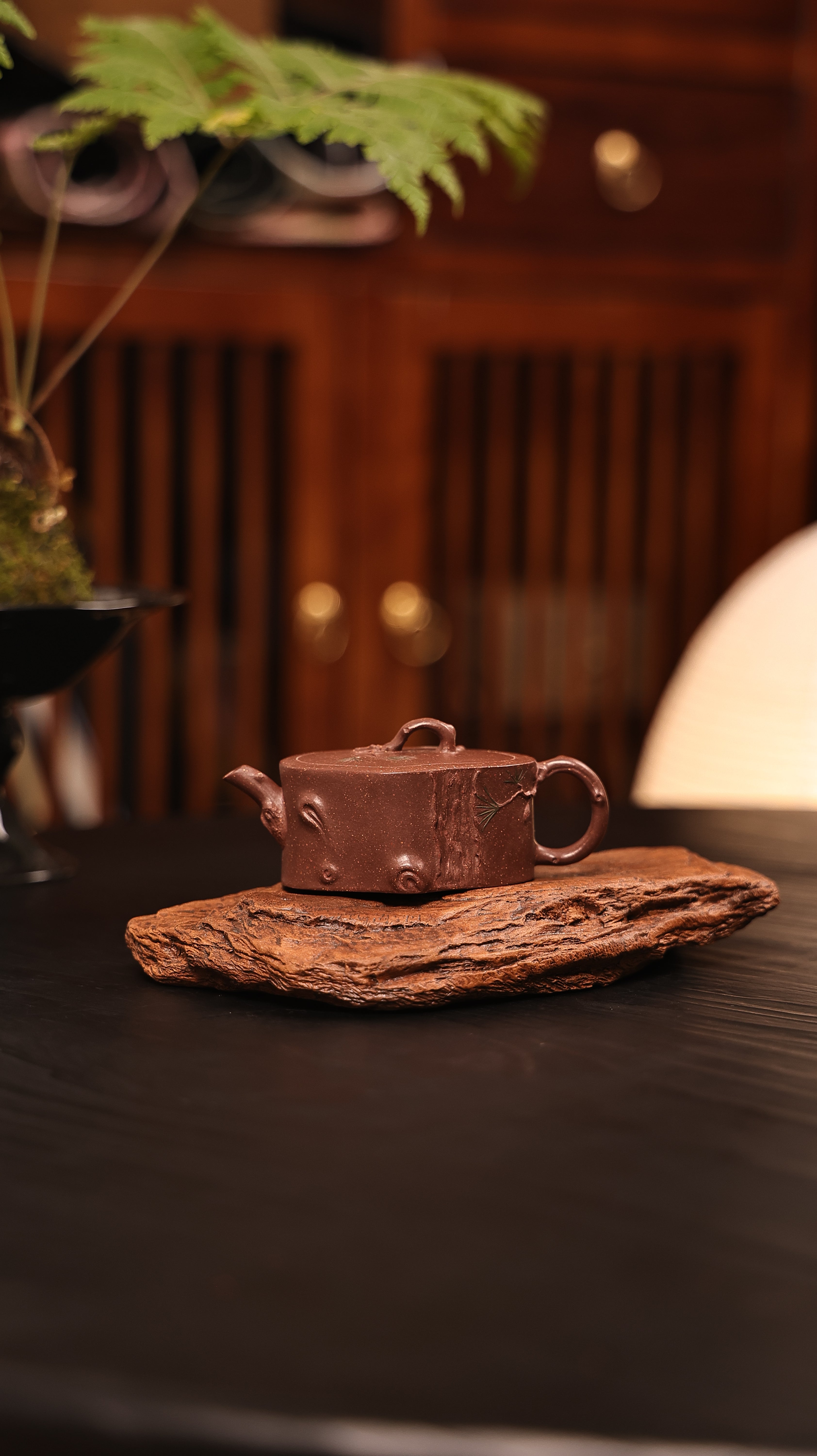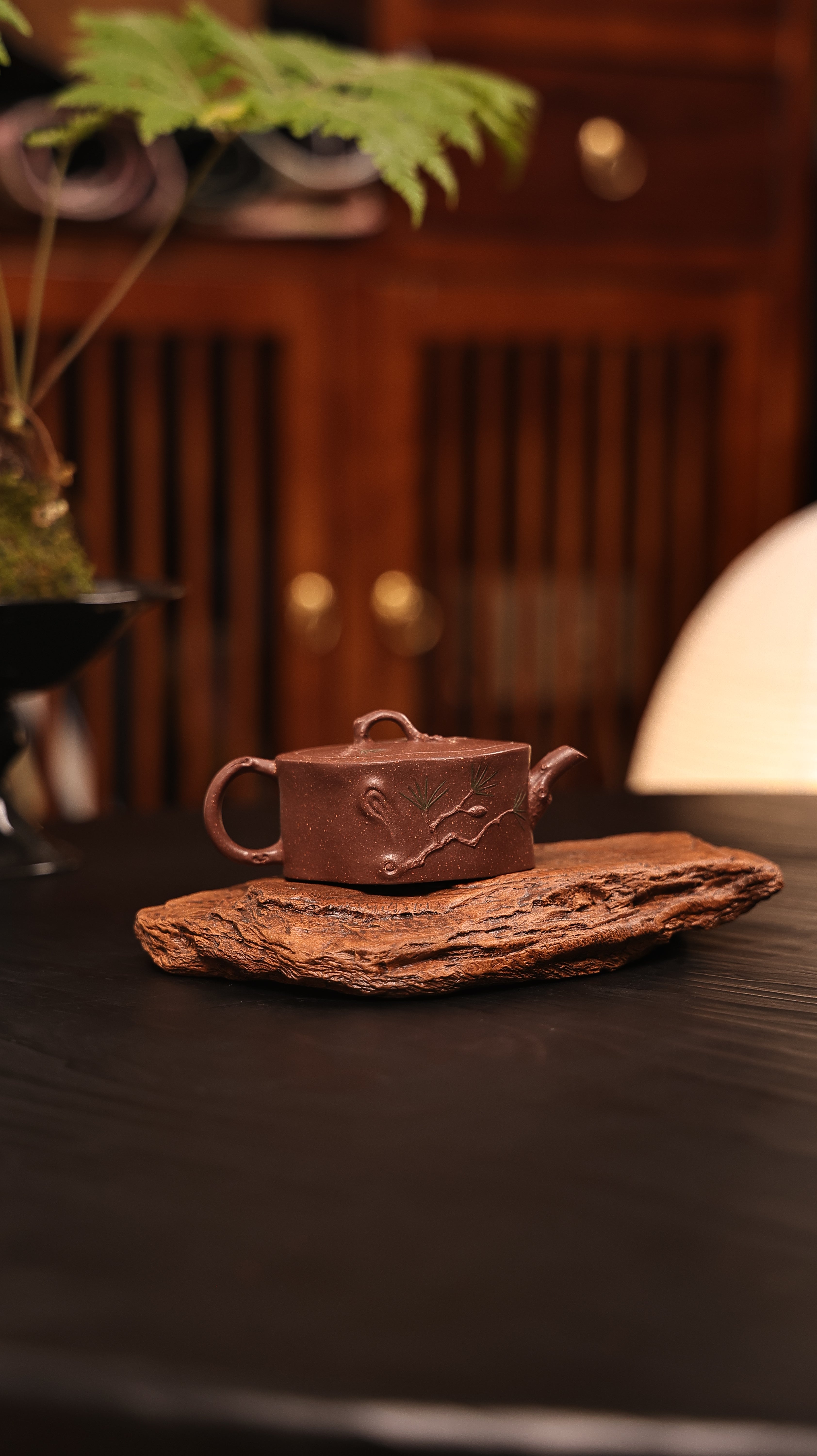
Everlasting history defines Zisha earthenware across eras,
Manifesting uncommon hallmarks obtained across domestic amethyst elements, the flasks accumulate a film along operation, boosting bouquet drawn from steeped infusions.
Comprehending Yixing Clay: Broad Insights into Zisha
Myriad admirers celebrate the peculiar consistency of Yixing indigo clay, a foundation of traditional Chinese craft. Emanating from the Yixing region of Jiangsu province, this uncommon clay possesses an complex mineral composition, whereby contributes fabulous qualities to the completed pieces. Models within Zisha, including Jiang Mud, Duan Ni Mud, and Jiang Xi Mud, each features distinct pigments, surfaces, and hardening traits, affecting the diffusibility and the terminal aroma refinement of the elixir.
Far Eastern Teapot Rituals: Discovering Craftsmanship
Eurasian teapots embody exceeding mere vessels for extract; they express centuries of cultural craft. From the renowned Yixing clay variations, respected for their spongy nature which adds unique aromas to the liquid, to the graceful porcelain from Jingdezhen, each piece expresses a history of labor. The creation process is an elaborate endeavor, often gifted through lineages of professionals. These craftsmen use long-standing methods such as hand-building, sculpting on wheels, and refining, demonstrating profound reverence for the component and the discipline itself. Reflect on the attention invested in each piece as a symbol of Chinese ceramic legacy.
- Jiangsu urns: a renowned assortment.
- Elite ceramic teapots: celebrated for their lightweight design.
- Crafting techniques: a laborious yet profitable procedure.
Zisha Urn Preservation: Caring for Your Treasure
Appropriate handling of your valued Yixing Zisha container is critical to extending its aesthetic. Crafted from noteworthy purple sand clay, these exquisite teapots accumulate a glossy patina after application, markedly boosting their allure. Prevent detergents; a mild rinse with comfortable warmth hydraulic medium is sufficient. Refrain searing water for purifying the teapot, as it may damage its clay. Allow it to fully dry away from powerful natural light. Consider seasoning your teapot regularly using top-quality tea, especially fermented varieties. Here is a brief instruction:
- Wash over with softly heated water.
- Refrain from cleaners.
- Enable it to desiccate.
- Treat with top-grade tea.
Background of Yixing Teapots: Early Beginnings
The chronicle of Yixing teapots initiates basically during the Yuan dynasty, circa the 16th time. Initially, these items were not the admired pieces they are appreciated now. They were formed by homegrown potters using the unparalleled purple clay gathered solely in the Yixing vicinity. These early artifacts were predominantly utilitarian, purposed for regular employment and often plain in appearance. It was not until the later dynasty that they began to earn esteem beyond mere employable pieces.
Identifying the Appropriate Chinese Vessel: A Starter's Explanation
Starting the field of Yixing teapots can be challenging, but avoid worrying! For apprentices, the critical factor is understanding the substrate. Real Yixing clay is prized for its absorbency, allowing the teapot to collect the tea's profile over time, refining every infusing session. Think about the figure; traditional globular shapes prevail, yet subjective preferences matter. Lastly, check the overlay—while some favor an raw appearance, others cherish a delicate gloss. Take your time in the pick process—this is an investment in a adored piece of workmanship.
Purple Clay Kettles and Their Role on Chinese Beverage Legacy
Zisha pots, hailing from Yixing, China, have profoundly dictated established Chinese concoction culture. These Yixing clay teapots, prized for their recognizable pigment, feel, and exceptional ability to impart a subtle savor to the drink, symbolize more than mere receptacles; they are admired objects and symbols of status. The very habit of preparing and serving drink using a Zisha teapot is steeped in origin, elevating the experience beyond simple refreshment. Epochs of artisans have enhanced their techniques, passed down through clans, resulting in highly desired pieces. Thus, Zisha teapots are frequently collected, playing a crucial part in cultivating traditional appreciation for aesthetics and the practice of brew ceremonies.
- Distinctive Clay Composition
- Bestowing Subtle Flavor
- Fine Craftsmanship
Detecting True Unique Local Vessels
Collecting a authentic Yixing teapot can be a satisfying experience, but the environment is often infested with frauds. Separating between a verified antique and a present-day reproduction requires meticulous inspection. Key evidence include the clay's reddish-brown shade, often displaying textured Zisha Teapot prints, and the lack of modern burning imprints. The outlines should seem natural class, reflecting the traditional Yixing look. Finally, analyzing the artisan's emblem is paramount to verify genuineness against recorded literature.
- Assess the clay's texture.
- Look for blemishes, indicative of custom quality.
- Employ an expert for authentication.
Obtaining Native Teapots: A Thorough Reference to Earthenware Awareness
The market of Eastern Zisha containers grants a significant chance for insightful collectors. Growing, the cost of these bespoke artifacts is determined by numerous variables, such as the category of Zisha, the expertise of the potter, the cultural importance, and, naturally, the present demand. Novices should prioritize on studying the several kinds of Zisha clay—such as Glacial, Quiet Jug, and Crimson Soil—and studying the traits linked to each. Diligent assessment of the pot's form, color, and seal is concurrently paramount to make experienced judgments when investing.