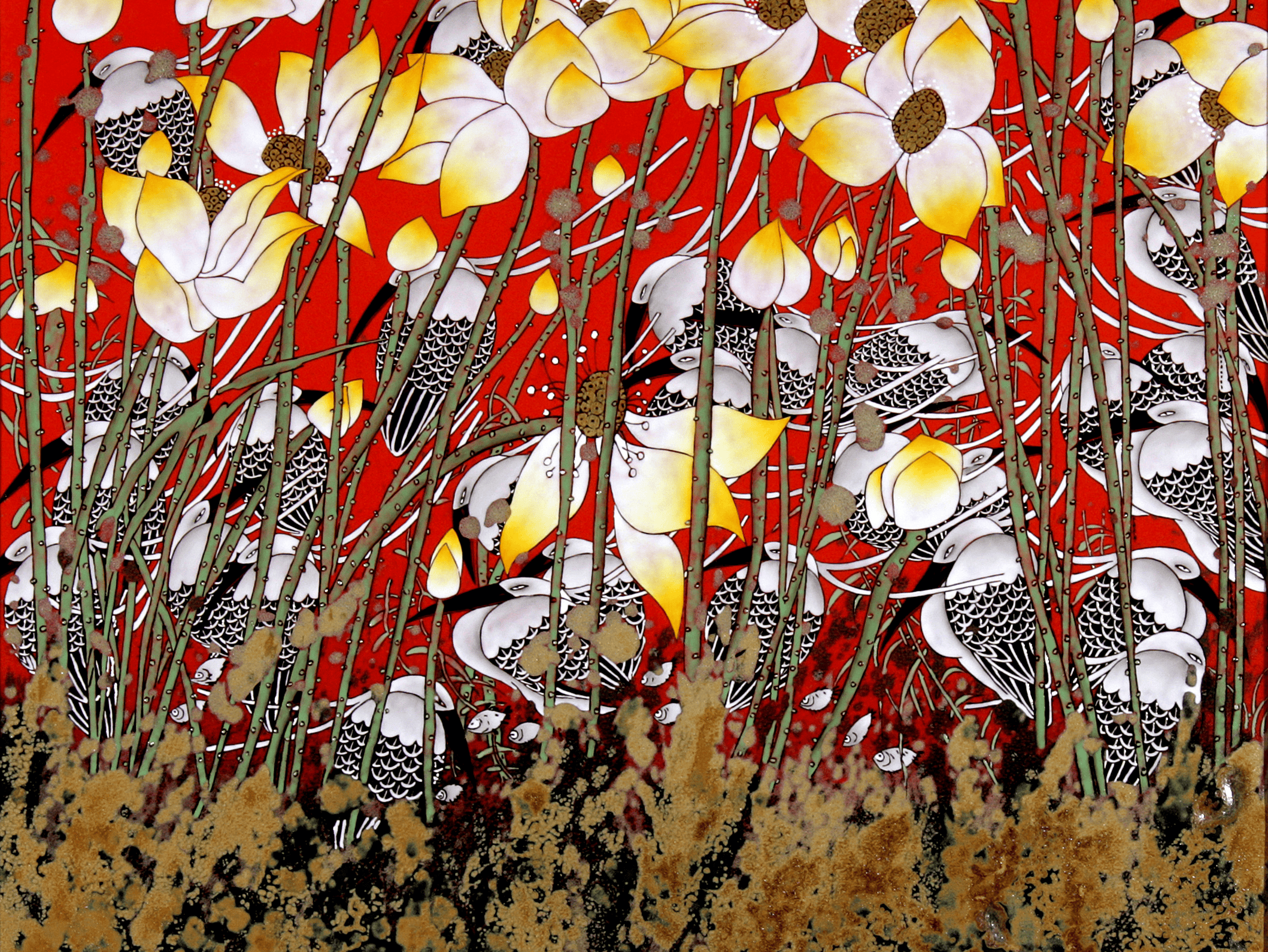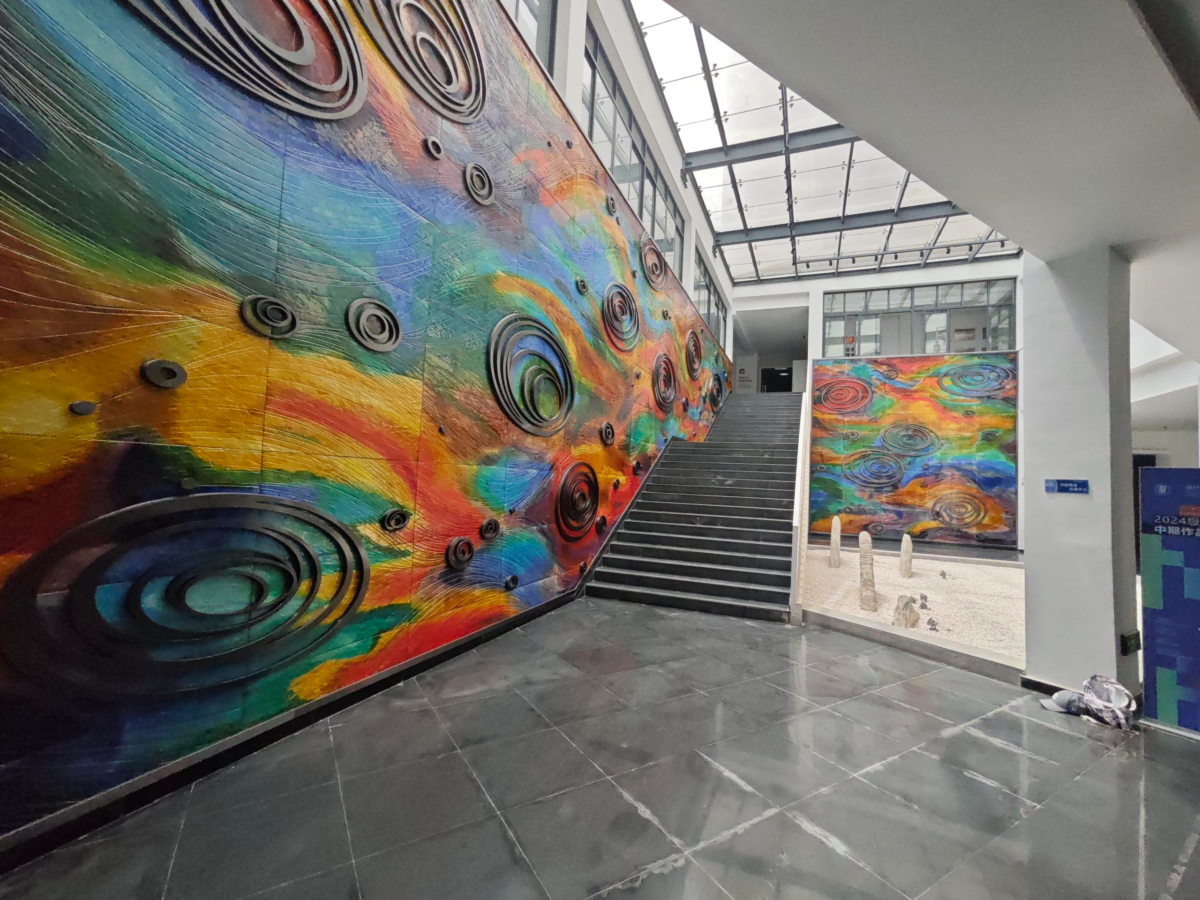
Brick statue embodies a distinguished discipline category with a extensive record, stretching back myriad of periods. From ancient containers to present-day installations, the matter offers peerless possibilities for creative rendering. Designers manipulate different techniques – including assembling, wheel operating, and sophisticated firing processes – to alter humble loam into compelling three-dimensional forms. The sturdiness of fired brick also contributes to its status as a truly significant part of human tradition.
Analyzing Clay Plaque Motifs and Procedures
The area of ceramic emblem design offers a vast array of innovative possibilities. Creators often apply a assortment of established and modern techniques to produce visually beautiful pieces. These can cover from simple, etched reliefs to complex, multi-layered formulations. Conventional methods include mold making, artisanal shaping, finishing glaze – which can involve various styles like base glaze illustration, overglaze decoration, and sgraffito where designs are uncovered by removing a layer of coating. Additional investigation into outer appearances such as raku and sheen enhancement can result in truly remarkable and customized ceramic plaques.
- Pattern Casting - Making pieces using a template
- Manual Fabrication - Carefully molding the material
- Glazing - Smearing the overlay with a glass-like finish
- Scraped detail - Showing designs by taking away coatings
Engaging Experiences: Pottery Art Exhibits
The transforming landscape of creativity presents exciting groundbreaking avenues for guests, and ceramic art installations are at the pinnacle of this wave. These aren't just static forms; they are fabricated to envelop the onlooker in a sensory surrounding. Imagine moving inside a forest of towering, fired ceramic trees, or navigating a labyrinth of detailed ceramic vessels. Many designers are now incorporating sound, brightness, and even perfume to enhance the atmosphere of their work. Imagine the power of a room filled with hundreds of uniquely ceramic forms, each telling a account. Often, such installations study themes of the earth, heritage, and the individual.
- They installations blur the limits between sculpture and construction.
- Witnessing a ceramic art installation can be a deeply significant journey.
- Designers are advancing the parameters of what is realizable with clay.
That Attractiveness of the Earthenware Receptacle: Use and Configuration
The clay holder represents a wonderful integration of practicality and expressive appeal. Historically, these canisters served a essential mission in holding plants, but their expansion has transformed them into highly valued works of design. Each component showcases the skill of the artist, demonstrating how outline can be as important as role. The thoughtful shaping, the unique glazes, and the entire presence of a artfully-produced pot can improve a space, offering both splendor and a quiet reminder of the manual hand.
Latest Brick Art : Stretching Margins
State-of-the-art pottery work represents a fascinating movement from ancestral practices. Artists are boldly testing with novel procedures, blurring the distinctions between artwork and distinct aesthetic categories. From considerable installations to elaborate miniature pieces, noted works probe themes of identity while at the same time reshaping the nature of what earthenware can become. The effect is a active environment of expressive articulation.
Porcelain Plate: Upholding Record in Stoneware
Porcelain plaques offer a exceptional method for commemorating significant events and beings. Opposite of traditional metal or stone markers, these hardwearing pieces of handiwork are formed from heated clay, creating a palpable link to the preceding days. Generally, they showcase intricate embossments or artistically decorated imagery, illustrating stories that might otherwise be overlooked. This technique, dating back ancient populations, provides a lovely and eternal way One Hundred Blooms to recognize our collective history.
- Such can be placed in accessible spaces.
- A multitude of are now classified historical objects.
Pottery Art Installations: Modifying Settings
Earthenware art installations are growing a meaningful medium for makers to reinvent public and private locations. These immersive projects frequently involve extensive clay objects that draw viewers, changing their experience of the built environment. By integrating diverse approaches like coil construction and complicated firing approaches, ceramic artists create truly singular experiences, challenging the thresholds between craft and space. The impact is often a impactful modification that uplifts the aesthetic quality of the site and encourages communication.
Origin Lathe to Beauty: The Trade of the Pottery Vessel
The journey of a earthenware receptacle from a simple lump of material to a finalized work of design is a testament to human resourcefulness. Initially, the process commences with the potter’s lathe, where the masterful artisan molds the revolving terracotta into a cylindrical figure. This introductory step demands precision and a trained eye, followed by a delicate strengthening period. Once heat-treated, the holder is ready for embellishment, which may engage designing intricate motifs, cutting detailed vignettes, or incorporating a array of textures. The last cooking process then turns the work into a durable and lovely receptacle, a tangible reflection of the maker's imagination.
Carving with Earthenware: A Manual to Terracotta Project
Exploring the sphere of stoneware expression begins with recognizing the fundamentals of modeling with stoneware. A practice involves methodically assembling and excising stuff to generate three-dimensional objects. Whether you're a novice or a skilled artisan, testing with distinct categories of terracotta – notably brick – will promote you discover your unique style. Finally, pottery pottery is a satisfying exploration that blends artistic expertise with imaginative representation.