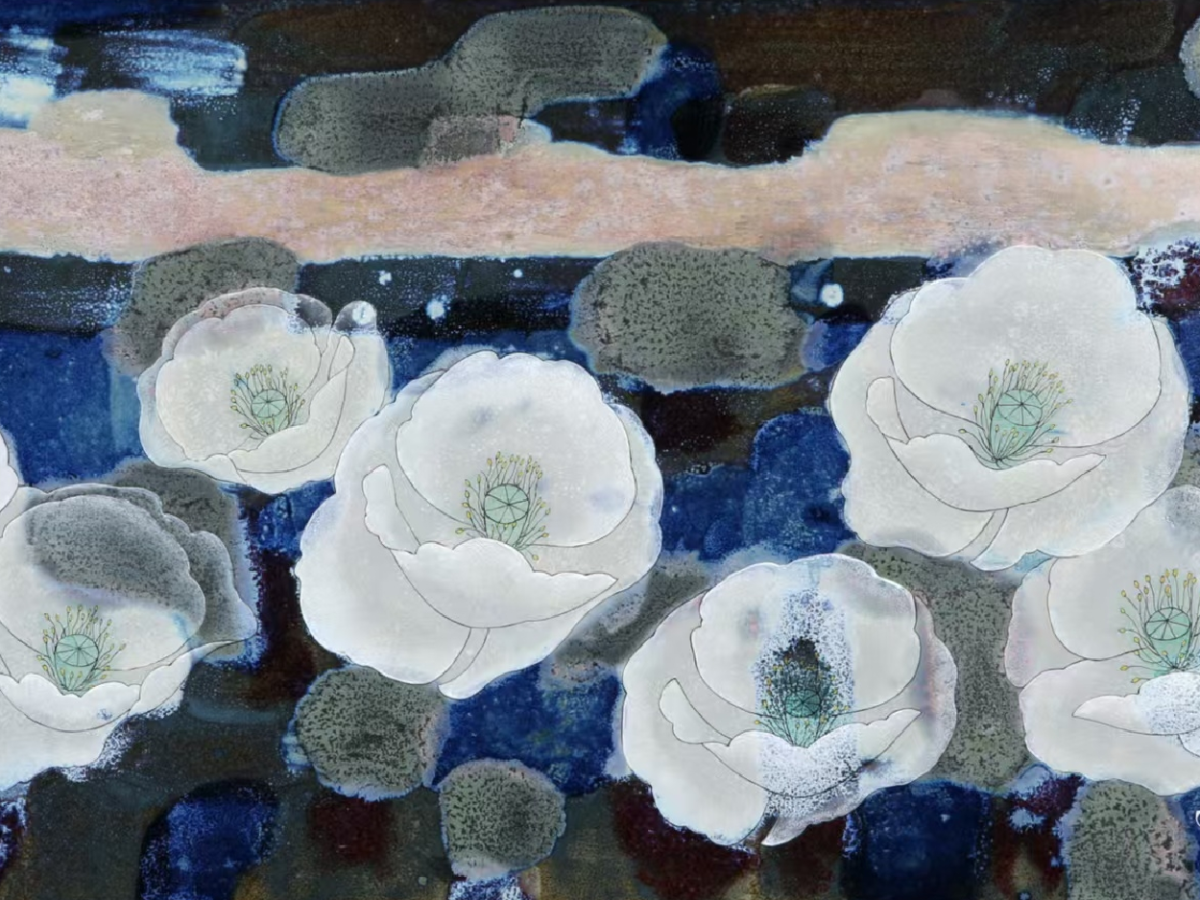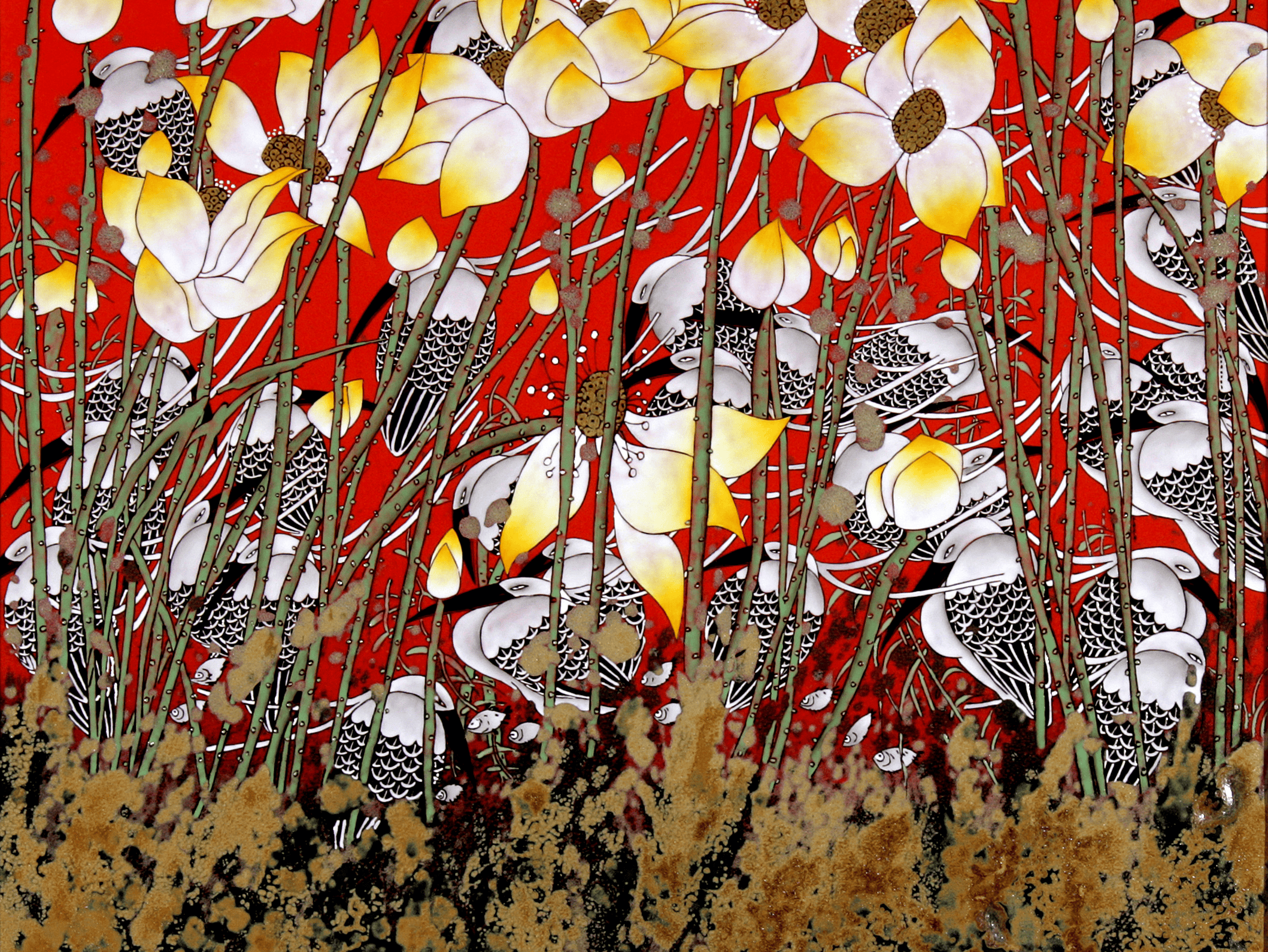
Clay carving expresses a impressive expression style with a considerable past, covering back legions of centuries. From ancient jars to modern placements, the component offers unmatched possibilities for creative performance. Creators use wide-ranging techniques – including coiling, wheel casting, and advanced firing processes – to alter humble loam into compelling three-dimensional objects. The toughness of fired ceramic also contributes to its status as a truly important part of human civilization.
Surveying Ceramic Panel Arrangements and Practices
The sector of ceramic plaque design offers a expansive array of inventive possibilities. Makers often engage a variety of classic and new techniques to construct visually stunning pieces. These can vary from simple, fashioned reliefs to complex, multi-layered configurations. Common methods include casting, manual molding, glaze application – which can involve several types like initial glaze painting, applying decoration after firing, and engraved motif where designs are disclosed by abrading a layer of enamel. Supplementary examination into external finishes such as quick baking and metallic glaze can yield truly unique and bespoken brick shields.
- The slip cast process - Constructing pieces using a design
- Physical Construction - Precisely forming the dirt
- Surface Finishing - Painting the external area with a shiny finish
- Incised pattern - Exposing designs by removing layers
Mesmerizing Experiences: Stoneware Art Presentations
The developing landscape of imagination presents exciting modern avenues for spectators, and ceramic art installations are at the vanguard of this development. These aren't just static creations; they are constructed to envelop the spectator in a sensory realm. Imagine moving inside a forest of towering, fired ceramic trees, or navigating a mesh of detailed ceramic vessels. Many makers are now incorporating harmonies, radiance, and even scent to enhance the atmosphere of their work. Imagine the power of a room filled with hundreds of individually ceramic forms, each telling a tale. Typically, such installations study themes of the earth, heritage, and the individual.
- They installations blur the limits between art and construction.
- Encountering a ceramic art installation can be a deeply significant journey.
- Designers are advancing the parameters of what is realizable with clay.
That Radiance of the Earthenware Receptacle: Use and Configuration
The earthenware holder represents a wonderful mixture of usefulness and visual appeal. Historically, these jars served a simple function in keeping materials, but their maturation has transformed them into highly valued works of craft. Each work showcases the dexterity of the artist, demonstrating how configuration can be as pressing as use. The thoughtful shaping, the rare glazes, and the complete presence of a exquisitely-finished vessel can transform a space, offering both appeal and a soft reminder of the creative hand.
Latest Brick Art : Expanding Thresholds
Recent ceramic form represents a fascinating transition from time-honored practices. Builders are increasingly pushing with fresh tactics, merging the lines between ceramics and diverse expressive domains. From colossal installations to elaborate miniature pieces, noted works explore themes of culture while concurrently revolutionizing the nature of what stoneware can become. The byproduct is a active environment of expressive articulation.
Porcelain Plate: Upholding Record in Stoneware
Porcelain plaques offer a exceptional method for commemorating significant events and beings. Opposite of traditional metal or stone markers, these sturdy pieces of mastery are formed from kilned clay, creating a actual link to the olden times. Frequently, they feature intricate carvings or vividly colored imagery, narrating stories Ceramic Tableware that might otherwise be lost. The technique, going back to ancient communities, provides a elegant and immortal way to pay tribute to our collective narrative.
- They can be disposed in collective spaces.
- Various are now viewed historical relics.
Brick Art Presentations: Remodeling Locations
Pottery art installations are flourishing a potent medium for designers to reshape public and private sites. These immersive artworks frequently involve monumental clay sculptures that absorb viewers, altering their perception of the engineered environment. By adopting diverse techniques like modeled construction and detailed firing processes, ceramic artists assemble truly exceptional experiences, blurring the limits between art and location. The consequence is often a stirring metamorphosis that elevates the sensory quality of the place and initiates reflection.
Genesis Turning Device to Awe: The Skill of the Brick Urn
The journey of a brick urn from a simple lump of terracotta to a refined work of production is a testament to human creativity. Customarily, the process commences with the potter’s rotary device, where the experienced artisan carves the rotating soil into a cylindrical design. This early part demands precision and a sharp eye, followed by a delicate dehydration period. Once heat-treated, the holder is ready for decoration, which may consist of illustrating intricate patterns, sculpting detailed portraits, or applying a range of layers. The final heating process then converts the component into a durable and stunning urn, a tangible representation of the potter's dedication.
Modeling with Terracotta: A Manual to Terracotta Craft
Plunging the world of clay work begins with studying the tenets of molding with earthenware. This particular system calls for precisely composing and subtracting substance to build three-dimensional items. Regardless of you're a amateur or a veteran designer, working with several types of clay – like stoneware – will assist you find your distinctive voice. Eventually, earthenware crafting is a gratifying experience that integrates specialized competence with innovative representation.