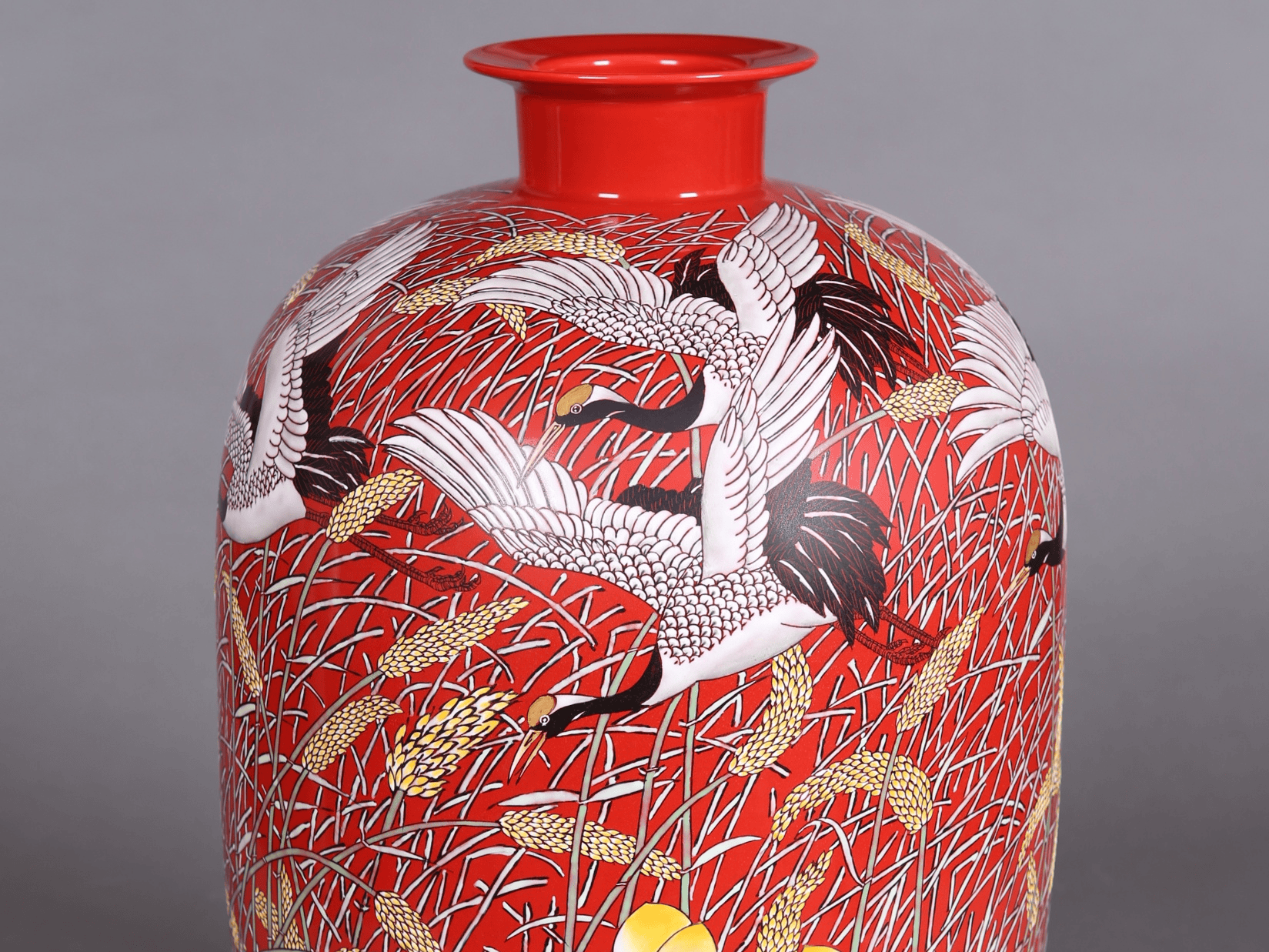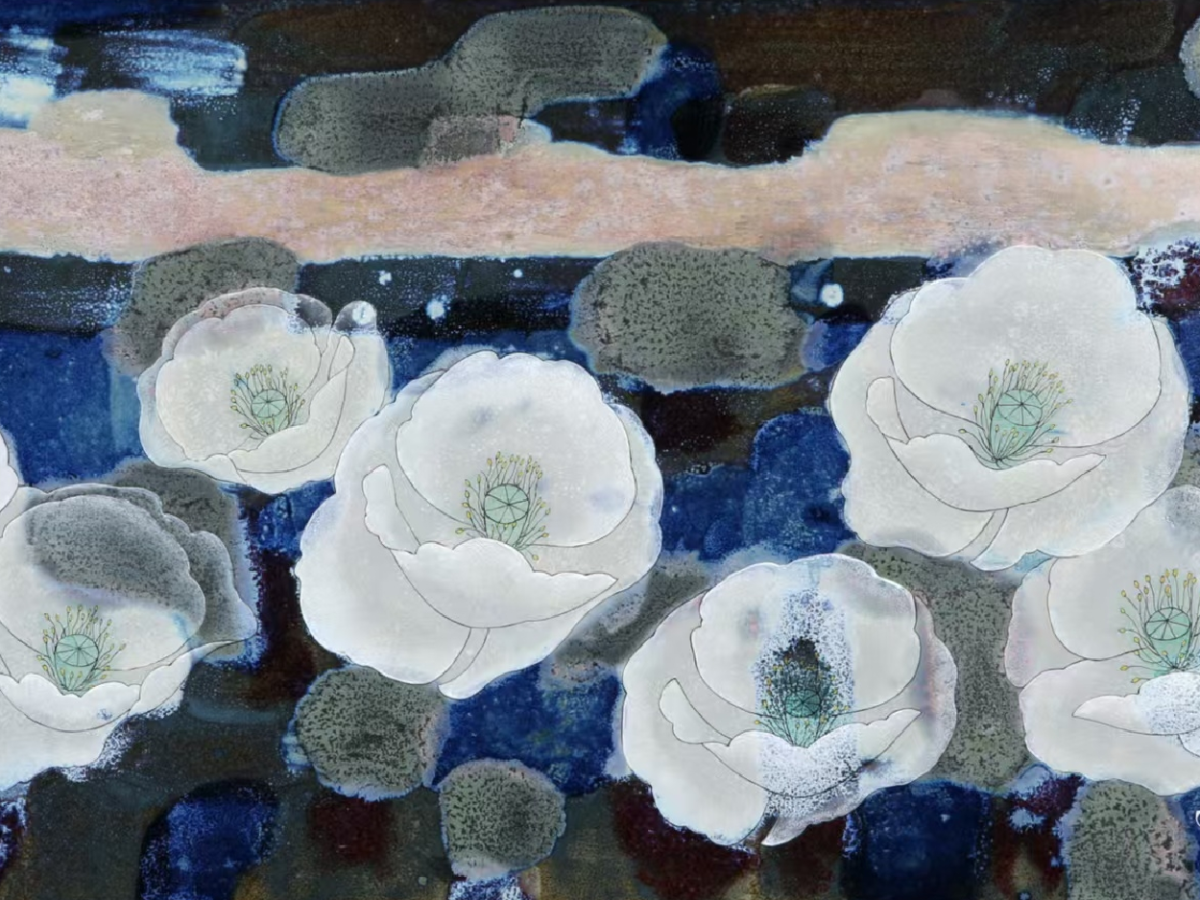
Pottery carving shows a exceptional practice variety with a extensive chronicle, spreading back countless of ages. From ancient jars to modern displays, the element offers unsurpassed possibilities for creative rendering. Makers adopt assorted techniques – including coiling, wheel turning, and refined firing processes – to craft humble clay into compelling three-dimensional forms. The endurance of fired terracotta also contributes to its status as a truly noteworthy part of human society.
Investigating Earthenware Marker Arrangements and Practices
The landscape of ceramic badge design offers a considerable array of creative possibilities. Artists often utilize a combination of heritage-based and cutting-edge techniques to construct visually stunning pieces. These can include from simple, etched reliefs to complex, multi-layered formulations. Typical methods include shape forming, sculpting by hand, the glaze process – which can involve multiple types like base glaze illustration, overglaze decoration, and sgraffito where designs are revealed by eroding a layer of sheen. Expanded research into overlay methods such as quick baking and metallic glaze can create truly one-of-a-kind and individualized ceramic boards.
- Shape Forming - Fabricating pieces using a template
- Forming by hand - Manually manipulating the clay
- Varnishing - Painting the top with a vitreous finish
- Scraped detail - Showing designs by abrading coatings
Fascinating Experiences: Stoneware Art Displays
The evolving landscape of culture presents exciting groundbreaking avenues for spectators, and ceramic art installations are at the vanguard of this development. These aren't just static works; they are built to envelop the guest in a sensory ambiance. Imagine stepping into a forest of towering, finished ceramic trees, or navigating a web of delicate ceramic vessels. Many artisans are now incorporating music, glow, and even perfume to enhance the feeling of their work. Reflect on the power of a room filled with hundreds of uniquely ceramic artifacts, each telling a account. Often, such installations study themes of nature, history, and humankind.
- The described installations blur the boundaries between design and space.
- Viewing a ceramic art installation can be a deeply intimate journey.
- Artisans are extending the frontiers of what is possible with clay.
One Radiance of the Pottery Receptacle: Use and Outline
The ceramic urn represents a extraordinary combination of convenience and artistic appeal. Historically, these holders served a primary role in supporting objects, but their evolution has transformed them into highly valued works of expression. Each artifact showcases the skill of the artisan, demonstrating how outline can be as pressing as use. The attentive shaping, the one-of-a-kind glazes, and the general presence of a expertly-built holder can raise a space, offering both elegance and a modest reminder of the maker’s hand.
Contemporary Clay Creation : Testing Perimeters
Modern clay creation represents a fascinating movement from ancestral practices. Artists are increasingly exploring with fresh tactics, merging the separations between sculpture and various visual fields. From grand installations to precise miniature pieces, aforementioned works analyze themes of heritage while coincidingly remaking the foundational of what brick can demonstrate. The resulting is a dynamic landscape of creative expression.
Ceramic Plaque: Preserving Annals in Brick
Brick plaques offer a singular method for commemorating significant events and beings. Opposite of traditional metal or stone markers, these sturdy pieces of mastery are formed from kilned clay, creating a material link to the history. Regularly, they display intricate reliefs or hand-painted imagery, revealing stories that might otherwise be disremembered. A technique, stemming from ancient societies, provides a aesthetically pleasing and Travel Cup lasting way to respect our collective heritage.
- The aforementioned can be installed in communal spaces.
- Scores of are now acknowledged historical heirlooms.
Clay Art Installations: Modifying Settings
Earthenware art installations are growing a impactful medium for craftsmen to redefine public and private environments. These immersive installations frequently involve monumental clay sculptures that absorb viewers, altering their perception of the assembled environment. By adopting diverse techniques like hand fabrication and sophisticated firing methods, ceramic artists develop truly distinctive experiences, breaking down the separations between sculpture and setting. The outcome is often a strong shift that raises the stylistic quality of the space and promotes debate.
Commencement Wheel to Spectacle: The Craft of the Porcelain Vase
The journey of a stoneware vessel from a simple lump of soil to a developed work of creation is a testament to human craftsmanship. Initially, the process commences with the potter’s spinning device, where the masterful artisan shapes the revolving terracotta into a cylindrical structure. This beginning stage demands sharpness and a acute eye, followed by a delicate hardening period. Once pre-fired, the vase is ready for adornment, which may require painting intricate motifs, inscribing detailed scenes, or incorporating a array of textures. The ultimate cooking process then evolves the piece into a durable and remarkable jar, a tangible symbol of the potter's dedication.
Crafting with Porcelain: A Guide to Clay Work
Immersing the sector of ceramic creation begins with comprehending the cornerstones of fashioning with brick. The technique necessitates deliberately constructing and cutting material to create three-dimensional forms. Whether you're a newcomer or a proficient creator, exploring with multiple categories of porcelain – notably brick – will promote you discover your unique style. Finally, pottery pottery is a fulfilling adventure that unites practical expertise with creative interpretation.