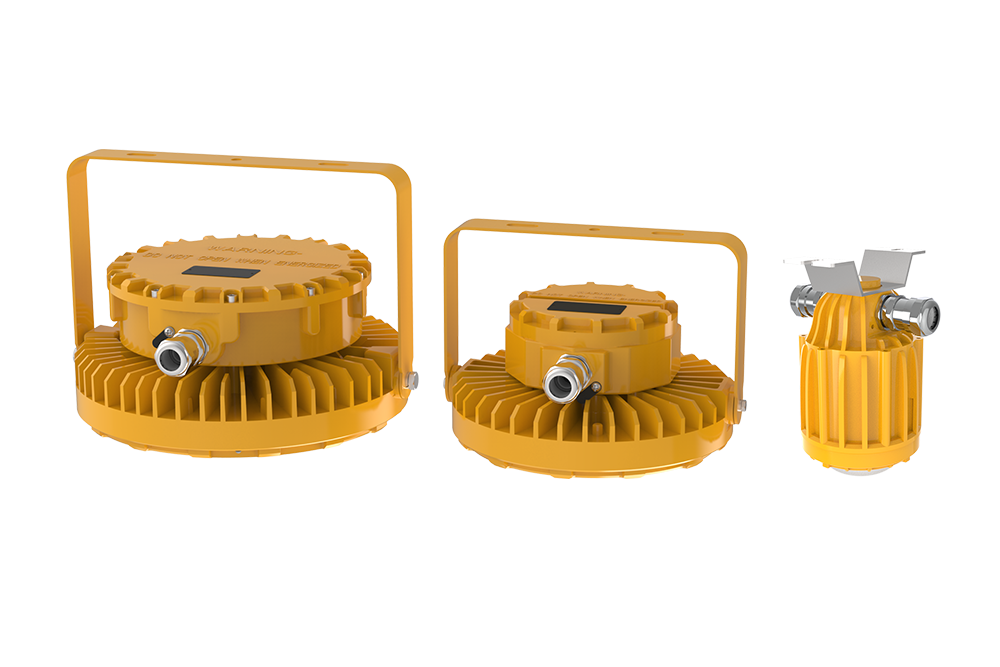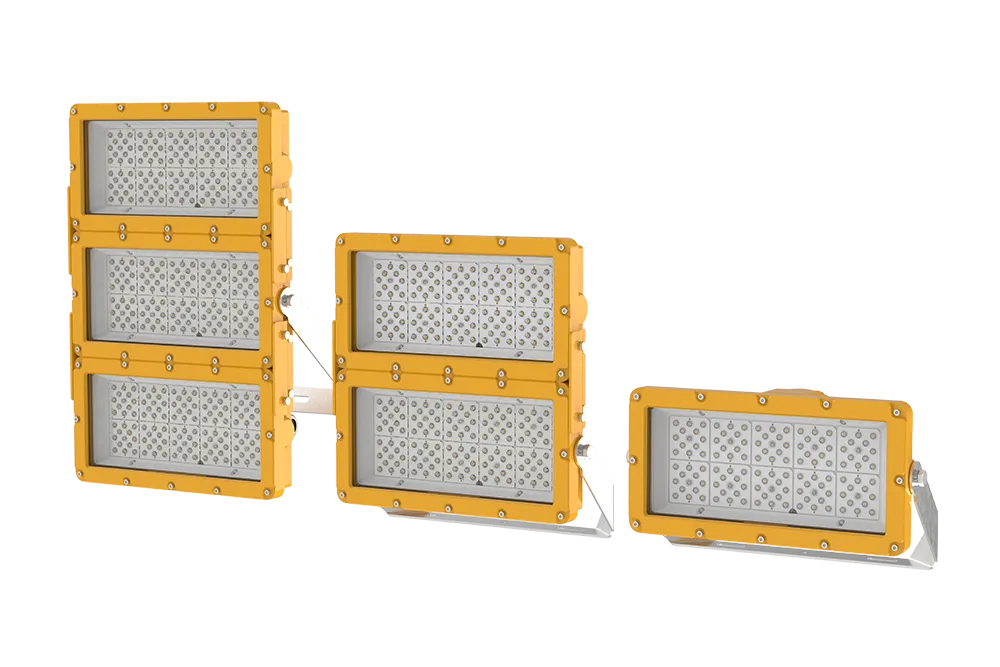
Starting our article studies various systems of explosion-proof devices throughout operational sites.
Functioning cautiously inside challenging sites such as manufacturing facilities entails tailored implements with the goal to thwart likely occurrences. Detonation-proof lights are essential modules in similar grounds, built to cope with ignitions, ignitable vapors, and ignitable fields. The aforementioned machines are never inherently harmless; in place of that they are assembled to confine any embedded spark or flare and avoid it from triggering a amplified discharge in the surrounding location. This explanation gives key data about explosion-proof devices, their exploits, and security concerns for utilizing them suitably.
Understanding Explosion Proof Lighting Standards
Handling particular flammability-rated lighting guidelines can be complex, especially in domains working with hazardous spaces. These requirements – often based on international bodies including the National Electrical Standard (NEC), ATEX (Europe), and IEC – formulate definitive design and application practices to mitigate the vulnerability of ignition from lighting fixtures. Understanding the standards is vital for ensuring personnel safety and conformity with applicable commands.
Crystal Explosion Proof Lights: Efficiency & Safety
Light Emitting Diode intrinsically safe fixtures represent a significant development over previously used neon fixtures in atmospheres where inflammable fumes are found. These robust devices exclusively produce premium efficiency in power use, yielding minimized energy bills, but importantly support a elevated quality of protection by eliminating the hazard of arcing because of arc transients}.
Explosion Hardened Combustible Site Critical Proof Flame Burn Spark Resistant} Units : A Extensive Overview
Explosive Combustible Site Critical Proof} Sources are specifically manufactured lighting methods built to operate safely within plausibly combustible fields. These solid fixtures eliminate sparks, thermal output and power emissions from setting off a dangerous explosion. They regularly incorporate unique designs, employing for example tight housings and essentially safe wireless units to confirm safety protocols in workplaces like crude & chemical gases processing, processing plants, resource recovery operations, and medication production.
Electing the Right Flameproof Illumination for Unstable Properties
Selecting the most appropriate intrinsically safe devices for a intended at-risk location involves thorough review. Indicators such as the designation (e.g., Type I, II, or III and regions 1) are required to be meticulously assessed to secure conformity with relevant risk directives. Excluding the location’s basic exposures, consider atmospheric factors, comprising thermal conditions and dampness, to determine a resilient and safe option. Consistently collaborate with a authorized expert to help your judgment.
Environments Where Mandate Explosion Proof Lights?
Explosion-proof alternatively intrinsically safe|hazardous location|Class-rated} luminaries are unequivocally needed in multiple areas where hazardous substances or residues could potentially create a hazardous atmosphere. This usually includes manufacturing production plants, varnish application areas, seed handling facilities, and sanitary treatment plants. Regulations, such as those from ATEX and OSHA, command their implementation in these areas to curtail the risk of arcing and protect security stability.
Gains of Luminescent in Fire Safe Luminaires
Adopting Luminescent technology for blast-proof fixtures offers a substantial quantity of benefits. First, LEDs boast a remarkably longer activity span compared to traditional neon fixtures, reducing repair charges and downtime. They are also originally safer, producing offset thermal flux which lowers the chance of ignition in flammable atmospheres. Besides, luminescent sources are increasingly cost-effective, leading to diminished electrical consumption costs and a narrowed natural mark. Finally, the durable architecture of Electroluminescent devices withstanding the rigorous settings typical of explosion proof areas.
- Expanded Duration
- Attenuated Care Expenses
- Heightened Risk Management
- Lower Current Usage
- Fortified Longevity
Conserving and Reviewing Explosion Proof Lighting Systems
Routine tuning and detailed checkup of hazardous location lighting frameworks are essentially indispensable for securing risk management and reducing potential liabilities. This requires a recurrent review of all elements, such as light fittings, piping, electric cables, and connected wire boxes. Specifically, inspect for chemical decay, mechanical defects, and reliable earthing. In addition, guarantee that every indications are identifiable and that the light required by authorized codes.
- Carry out ocular reviews.
- Evaluate electrical joints.
- Establish blast resistance.
Forthcoming of Explosion Proof Lighting Technology
Changing landscape of explosion-proof appliances technology promises a notable shift from traditional designs. Future technologies will more and more incorporate remote capabilities, enabling wide-area monitoring, diagnostics, and dynamic control. We expect a rising adoption of luminescent technology, not only for its fundamental energy efficiency, but also its aptitude to facilitate contained sensors for measuring unstable conditions. Furthermore, materials research is leading innovations in robust enclosure materials, allowing for more compact and refined designs, while ensuring the essential levels of risk mitigation.
- Better battery life for remote applications.
- Incorporation with preventive maintenance frameworks.
- Innovation of maintenance-free lens approaches.